
Have you ever heard the term SEO? If not, it stands for Search Engine Optimization, and it is one of the most important features or strategies one can use at their disposal when looking to enhance their business prowess. In short, SEO is the process by which you continually make improvements towards your website that will enhance your exposure and exposure quality and allow you to gradually gain more relevance towards the algorithms Google, Bing, Yahoo!, and other search providers use. This algorithm helps and shows how websites are ranked and displayed to relevance for what you have searched up. For example, if you search the word, “Phone” it will show a massive list of webpages in order of relevance dictated by the search engines algorithm; your goal with SEO is to not only get more traffic, but also greater traffic quality towards your webpage. Relevance also comes in handy as the search algorithm prioritizes products and webpages that either relate to your search or when the product has been reviewed either negatively or positively. A good comparison to SEO before diving deeper and getting more in-depth is Maslow’s Hierarchy of Needs. If you do not know what the Hierarchy of Needs is, it is essentially the human requirements that are the most important and are ones you need to fulfil first as they are the most basic; then after moving onto advanced type of needs. The pyramid below was found online, and I think it does wonders in illustrating what SEO is and the overall structure of how it works.
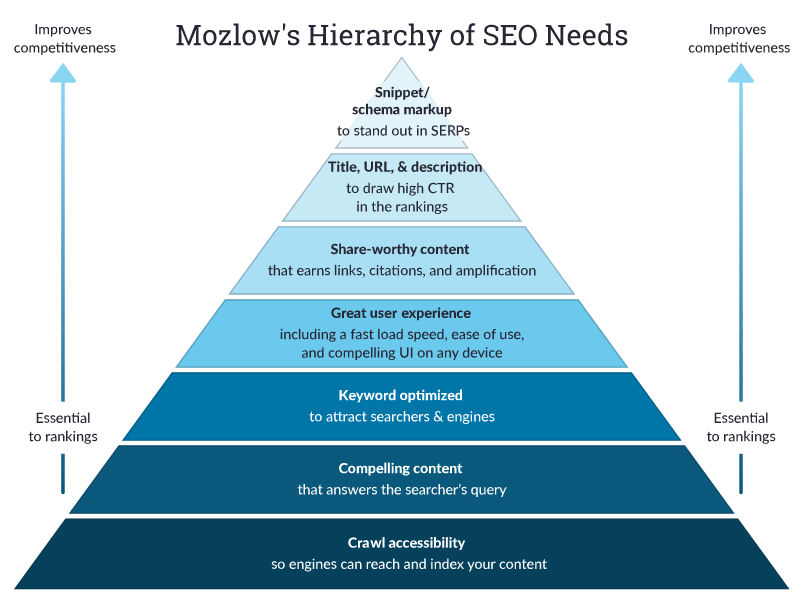
The above pyramid might seem confusing at first, but the more you understand and see how the topics intertwine and connect to the hierarchy of needs, the more you will start to understand SEO and all the little components that go into it. I will not be focusing on this pyramid specifically, but it does give you a detailed look into what I will be talking about, and helps enhancing the learning experience.
When first approaching SEO, you need to understand that the process takes time; it is not something that happens when you need it. It happens organically and will continue to develop along as you continue to put work towards it. It would be best if you take the time needed to execute your SEO strategy effectively as using SEO effectively also enables one of its most significant benefits: the ability to measure your results and analytical data.
- Make sure you fully develop your strategy and know what is needed.
- Research keywords relating towards your product or webpage.
- Create content that works.
- Attract relevant links.
- Resolve any technical issues with your site.
SEO is not a process that stays static; as search engines and the algorithms used regularly change, so does your SEO. An excellent example of how SEO has changed in the current world would be that search engines do not only show webpage links or SERPs (search engine results page) when searching a product; they also tend to show pictures or videos that relate now too. Knowing about SEO and all the processes involved can be difficult for beginners. That is why I recommend taking your time and go at your own pace. Above we spoke a bit about SEO and what it is, but after learning the bare minimum involved, we can get more extensive and see the foundation of SEO and the magic of it all.

The first foundation piece of SEO I want to talk about is keywords. A keyword is a search that is entered into a search engine like Google. Researching keywords may feel exhausting at first, but you will soon understand how important they are as a marketer. The basics you should start to focus on are:
- Your keyword-research plan.
- Research methods.
- Learning to do an evaluation.
- Which tools to use.
- How to evaluate keywords overtime.
First, with the keyword research plan, your main goal is to ensure you can see the frequency, relevance, and competition of each keyword used; use websites like Moz Keyword Explorer, Wordstream and Ahrefs Keywords. Knowing what frequency, relevance and, competition are is essential as they help you understand what keyword is appropriate for your website and can garner the most potential traffic for the lowest levels of competition. Although the word “Phone” might be searched the most, it may also have much more competition and less relevance to what you are selling; using a word more relevant even though the volume of searches is lower will, in the long run, be more beneficial. The use of specific wording helps find more potential customers. Once you have understood your plan, you will need to know how keywords are used. A good tip is to try and put yourself in the shoes of your customers and start brainstorming. What is the intent of your customer? And what products and services do you offer? Thinking about this from your customer base’s perspective is critical to successfully developing a good list of keywords. Once you have a list and want to expand, start using websites like Google Trends, Answer the Public and Moz to conduct more keyword research that will help you analyze and collect the data needed. After you have a full list ready, you need to understand search volume and how it affects SEO. Using the example above again, “Phone” may be searched often but may also have a long list of competition; you will want to start drifting away from these types of searches and use long-tail keywords instead. A long-tail keyword is a less competitive word that fits your business objectives, like “Phone with good speakers.” Lastly, categorize and identify the themes and topics to group your keywords accordingly. Once you feel like you have completed most of the steps and you have successfully thought of a keyword or two, start to organize them in spreadsheets so you can map which keywords are specifically targeting which page of your website. This will not only help with organization, but will also allow you to keep track of all your relevant keywords and the pages associated to them. Now as I said SEO is an ongoing effort, you will need to adapt and change your views and keywords as time goes on, it is a cycle, that will continuously change. Remember that a keyword is only relevant to you when it is driving your business forward, to stay successful you need to change just as the industry and engines do too.
Now that we tackled search engine optimization a bit and how to distinguish what keywords are and how they are used, we can begin to think about how search engines and the people using them view the pages they have searched. This can help us with a better understanding of content optimization and how it works. In short, content optimization is a business goal where you are making sure that the content you are producing or writing can reach the largest target audience; clarity, trust, and quality are essential for your content. When we talk about optimization, the first thing needed is structure and how that structure is understood. Your website needs to be organized and easily understood so people can understand and navigate your webpages. A bad example of structure would be your internal linking bring you to dead-end pages. Internal linking is the hyperlinks created on your domain that will bring you to another page on the same website. This can cause users to become confused and leave your website entirely. It would help if you made sure that your homepage and the pages linked throughout your website are easily readable and easy to understand. If people can logically understand your website, then the search engine will too. This in return will result in more rankings and higher visibility. This is only one part of optimization however, next we need to focus on the page elements themselves and the non-text components that are built into a webpage. For the optimization within the webpages you will want to make sure everything is concise and easily readable; shorter is best when it comes to keyword phrases in the source code.

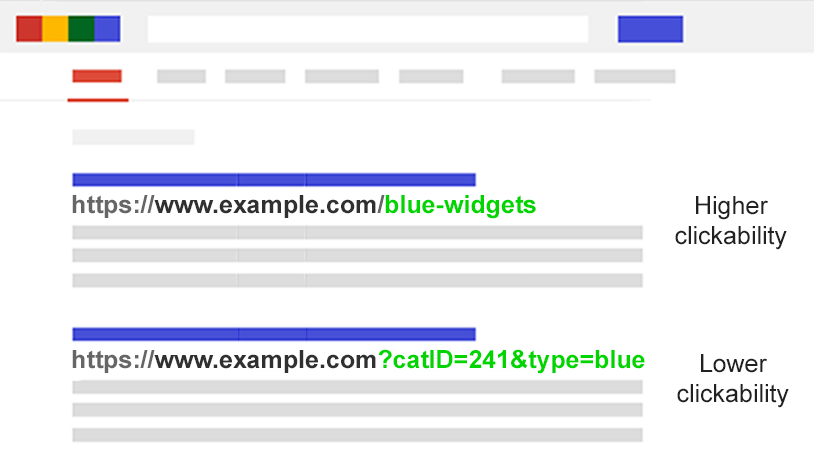
- First, let us look at optimizing the URL in the address bar. The goal here is to explain to your target audience what you are promoting. The >title< tag is the first thing that will be seen when viewed on the search engine results page, so optimizing it is crucial to SEO success. The title tag must be very descriptive and short enough not to get cut off on the results page. Try including the keyword phrase you are targeting here too, and when creating a URL, use hyphens (-) instead of under spaces (_) in the title as the search algorithms understand it better. Lastly, never rename existing URLs as they will interfere with your already existing SEO ranking. If you need some help here, try using the Moz Title Preview Tool to see some examples. Learning how to adjust meta tags in the source code can be critical to enhancing your SEO campaign even further.
- After optimization of the title is finished, you can begin working on the <meta name=, which is the description under your title page. Optimizing the meta will not impact your SEO as much but is still worth doing as it will increase your click-through rate.
- You want to keep reassuring the people who are visiting your website that this is what they are looking for with your keyword’s continuous use. The header is the next place I would recommend working on. The headline is the main visible text you see at the top of your page and where you want to be as effective as possible because it normally explains the content below. Here include your keyword, and try to engage the audience once again, assuring them that they viewed this page for the right reasons, including the keyword you have chosen and clarification about the page itself.
- Now for the most extensive content on the page, usually the written segment and the images that appear. For the context, this is where you go wild but try at least to include your target phrase 1-3 times, although this is not mandatory. Communicating to your target audience here is critical as this is the most significant chunk of text that will be read. To optimize the images correctly as algorithms do not quite understand them fully yet, go into the source file once again under <img and leave a description of the image itself and the keyword used throughout your webpage. This helps immensely as it gives SEO another boost, but as said above, SEO is an ever-growing process, so do not be afraid to check-in on these steps and change some things now and then.
- Since search engines have a hard time understanding not only images but audio files and videos, too, there are ways we can work around this to optimize our non-text elements on a webpage. When algorithms try to understand an image, they tend to use specific methods to grasp what it means; search engines will use image files, image captions, nearby text, alt text, and title attributes to help better understand what they are analyzing. The best way to add relevant data to your images, audio, or videos in the page source is using a website called Schema.Org. When you look at the page source, precisely the source of the picture, video, or audio file, you will see an embedded code; in most cases, this code is JSON-LD. This is where Schema comes in handy. With multiple presets for any given code, you are bound to improve your SEO quality and help the search engines understand your non-text content a lot better.
Okay, so now that you are becoming this semi-expert in SEO and have gathered understanding with search engines and how they view your web page, we can get a little more technical and understand all the micromanaging your pages, and the search engines do behind the scenes. These include indexing content, canonical URLs, redirects, microformats, and more, which we will discuss thoroughly in greater detail. When a person visiting your website first views your domain, they often get greeted with pictures, information, and ease of access to where they want to go, enabling them to understand it effortlessly. But, to a search engine, the same page you see is vastly different. Below is an example of what a search engine will see versus what we see.
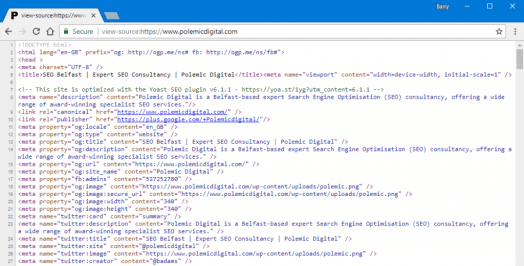
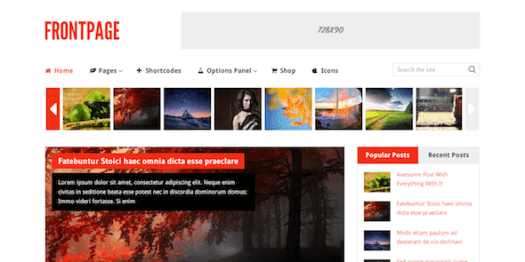
Since websites are just giant HTML codes, it helps the search engine understand what our eyes can see: file locations, file layout, fonts, color and sizes, menus, linked data, and content placement. Although you do not need to be a tech-savvy expert, it is a good idea to understand how the search engine will view your webpage and the perspective of how the algorithm will understand your code. Remember, the cleaner and more error-free your code is, the more your webpage will be understood.
Search engine indexing is the process of an engine indexing all of the stored data, making sure it’s easily available, accurate and ready to be retrieved when needed. This is important because it is how an engine will follow links to index your content. A search crawler will click links just like you would, going from page to page, but instead of clicking a few links, the crawler will click every link they can find. The best way to make sure your content is easily available and readable is to create XML sitemaps. A site map is a list of your websites URLs; it acts as one big roadmap helping a search engine for what content is available and where to find it. Use websites like sitemaps.org to help inform engines on your website changes. However, sometimes you may want specific rules on certain web pages, like not wanting your page to be ranked; these can all be edited to your desire. Within the source code, you can edit files through a robot.txt or by creating an index meta tag. Each of these will help guide you towards what you want or need for your webpage analytics.
So because search engines index your content, this means they rely on the URLs you have created. Often a webpage or various webpages will have slightly varied URLs for the same content made. The main reason this happens is because of the URL parameters. Sometimes, these parameters control what occurs on the web page but can also have nothing to do with the web page if they are not efficiently used. You need to make sure your parameters on each webpage is correctly associated with what is on the page so that the crawler can index your content appropriately. You do not want to compete against yourself if you have identical content on two different pages due to misused parameters; crawlers will always prefer less complicated websites. To help the search crawler identify your page easier, make sure to use the REL canonical meta tag; this will give clear instructions to the search engine. It helps by providing instructions telling the algorithm that no matter what URL is used in the address bar, the URL placed in the canonical meta tag is the correct one. I recommend using the Google search console to help make it a bit easier to see your parameters. Another issue that may be caused within your parameters is if a URL is moved to another location. These movements may either be temporary or permanent. Luckily there is a solution to both. For brief movements, you will want to use a 302 or a temporary redirect. For a permanent move, use a 301 or a permanent redirect. The code will take everything it knew about the old URL and reapply, helping the search engine know that the old URL is no longer needed.
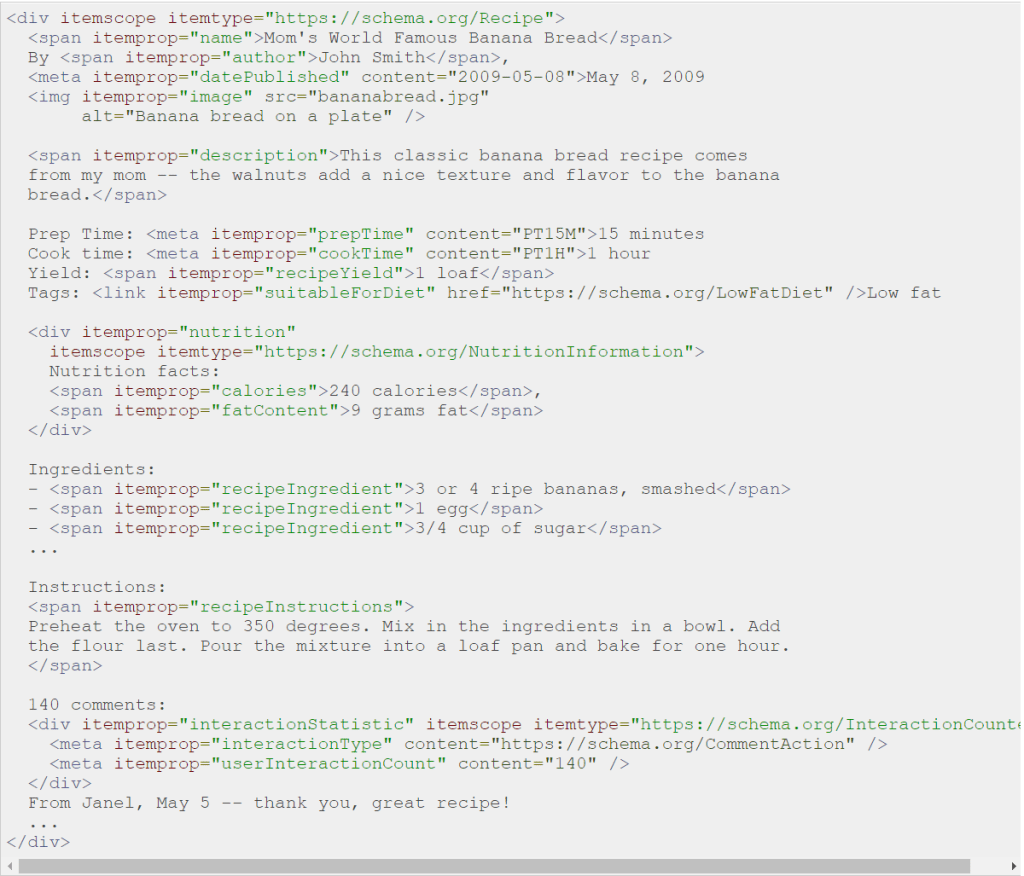
Before we move on, let’s quickly talk about microformats, Schema.org and, web formats. Using specific microdata you have from your website will enhance what type of content is on your pages. Schema helps the algorithms understand and identify each particular piece of content and all the attributes of the content. Using this quick process can bring in more users as your content will be more defined. Below are two photos to quickly help you understand the difference. The first photo is without using microdata; the second is with microdata.

Next, this is just a tiny piece of advice on how webservers you used can play a big part in web data. First, make sure the provider you are using is fast and reliable. Second, make sure the hardware and internet connectivity works well. Webservers host your pages, so you will want to make sure you are using the correct one for the users that most likely will visit your webpage. For example, I live in Edmonton; I would want a server as close as possible because most of my traffic would be for the citizens living here. Remember, though, the further away someone is from your webserver, the longer it will take them to visit your page.
(THIS BLOG IS A WORK-IN-PROGRESS AND WILL BE UPDATED EVERYDAY)
 JDigitalized