Luxury doesn’t always scream; sometimes, it whispers. In 2024, Quiet Luxury has taken center stage, and social media can’t get enough of it. But what exactly is Quiet Luxury, and why is every influencer suddenly dressing like a billionaire’s off-duty day? Here’s everything you need to know about this sleek, subtle style taking over Instagram and TikTok feeds everywhere.
What is Quiet Luxury?
Quiet Luxury is the opposite of flashy logos and loud designer branding. Instead, it’s all about understated elegance, timeless craftsmanship, and premium materials. Think of a perfectly tailored blazer, a crisp white T-shirt made from high-quality cotton, or a leather tote so well-made it’s recognizable without a logo.
This trend is also called “stealth wealth” because it reflects the style of the ultra-wealthy who’d rather emit quiet confidence than flaunt designer logos. It’s the aesthetic of subtle wealth, a fashion movement where quality speaks louder than labels.
This movement gained traction thanks to shows like Succession, where Kendall Roy’s understated wardrobe became synonymous with wealth and power. Celebrities like Sofia Richie and Kendall Jenner have also championed this trend, bringing it to Instagram and TikTok.
Why is Quiet Luxury Trending in 2024?
Social media, especially TikTok and Instagram, is a breeding ground for trends, but Quiet Luxury’s rise is different. Unlike the loud Y2K fashion era with bold colors and chaotic prints, Quiet Luxury’s appeal lies in its simplicity.
The Shift Away from Logos. After years of Y2K flashiness, simplicity feels fresh.
Influencers like Sofia Richie have made “quiet” cool, with TikTok videos racking up millions of views analyzing her looks.
How to Incorporate Quiet Luxury into Your Wardrobe
The best part about Quiet Luxury? You don’t need a trust fund to master it. With an eye for quality and a dash of intention, you can curate a wardrobe that whispers “stealth wealth” without emptying your wallet. Here’s how to do it:
Start with Neutrals: Build your wardrobe around timeless colors like black, beige, and white.
Invest in Tailoring: Even budget-friendly pieces can look high-end with good tailoring.
Opt for Quality Fabrics: Look for materials like cashmere, silk, or wool.
Prioritize Minimal Accessories: A single well-made bag or pair of shoes is all you need.
Imagine replacing your go-to logo hoodie with a well-fitted cashmere sweater. Pair it with tailored trousers, and suddenly, your look says “investment banker on a day off” rather than “student.”
Pro Style Tip
You don’t need a $500 T-shirt to achieve Quiet Luxury. Opt for well-made essentials with a great fit. Tailoring can make a $50 jacket look like a $500 one.
Quiet Luxury isn’t just a trend, it’s a lifestyle shift. It celebrates timeless elegance, quality craftsmanship, and the confidence to let your style speak for itself. Whether you’re a fashion newbie or a seasoned minimalist, there’s a place for Quiet Luxury in your wardrobe.
Have you ever heard the term SEO? If not, it stands for Search Engine Optimization, and it is one of the most important features or strategies one can use at their disposal when looking to enhance their business prowess. In short, SEO is the process by which you continually make improvements towards your website that will enhance your exposure and exposure quality and allow you to gradually gain more relevance towards the algorithms Google, Bing, Yahoo!, and other search providers use. This algorithm helps and shows how websites are ranked and displayed to relevance for what you have searched up. For example, if you search the word, “Phone” it will show a massive list of webpages in order of relevance dictated by the search engines algorithm; your goal with SEO is to not only get more traffic, but also greater traffic quality towards your webpage. Relevance also comes in handy as the search algorithm prioritizes products and webpages that either relate to your search or when the product has been reviewed either negatively or positively. A good comparison to SEO before diving deeper and getting more in-depth is Maslow’s Hierarchy of Needs. If you do not know what the Hierarchy of Needs is, it is essentially the human requirements that are the most important and are ones you need to fulfil first as they are the most basic; then after moving onto advanced type of needs. The pyramid below was found online, and I think it does wonders in illustrating what SEO is and the overall structure of how it works.
The above pyramid might seem confusing at first, but the more you understand and see how the topics intertwine and connect to the hierarchy of needs, the more you will start to understand SEO and all the little components that go into it. I will not be focusing on this pyramid specifically, but it does give you a detailed look into what I will be talking about, and helps enhancing the learning experience.
When first approaching SEO, you need to understand that the process takes time; it is not something that happens when you need it. It happens organically and will continue to develop along as you continue to put work towards it. It would be best if you take the time needed to execute your SEO strategy effectively as using SEO effectively also enables one of its most significant benefits: the ability to measure your results and analytical data.
Make sure you fully develop your strategy and know what is needed.
Research keywords relating towards your product or webpage.
Create content that works.
Attract relevant links.
Resolve any technical issues with your site.
SEO is not a process that stays static; as search engines and the algorithms used regularly change, so does your SEO. An excellent example of how SEO has changed in the current world would be that search engines do not only show webpage links or SERPs (search engine results page) when searching a product; they also tend to show pictures or videos that relate now too. Knowing about SEO and all the processes involved can be difficult for beginners. That is why I recommend taking your time and go at your own pace. Above we spoke a bit about SEO and what it is, but after learning the bare minimum involved, we can get more extensive and see the foundation of SEO and the magic of it all.
The first foundation piece of SEO I want to talk about is keywords. A keyword is a search that is entered into a search engine like Google. Researching keywords may feel exhausting at first, but you will soon understand how important they are as a marketer. The basics you should start to focus on are:
Your keyword-research plan.
Research methods.
Learning to do an evaluation.
Which tools to use.
How to evaluate keywords overtime.
First, with the keyword research plan, your main goal is to ensure you can see the frequency, relevance, and competition of each keyword used; use websites like Moz Keyword Explorer, Wordstream and Ahrefs Keywords. Knowing what frequency, relevance and, competition are is essential as they help you understand what keyword is appropriate for your website and can garner the most potential traffic for the lowest levels of competition. Although the word “Phone” might be searched the most, it may also have much more competition and less relevance to what you are selling; using a word more relevant even though the volume of searches is lower will, in the long run, be more beneficial. The use of specific wording helps find more potential customers. Once you have understood your plan, you will need to know how keywords are used. A good tip is to try and put yourself in the shoes of your customers and start brainstorming. What is the intent of your customer? And what products and services do you offer? Thinking about this from your customer base’s perspective is critical to successfully developing a good list of keywords. Once you have a list and want to expand, start using websites like Google Trends,Answer the Public and Moz to conduct more keyword research that will help you analyze and collect the data needed. After you have a full list ready, you need to understand search volume and how it affects SEO. Using the example above again, “Phone” may be searched often but may also have a long list of competition; you will want to start drifting away from these types of searches and use long-tail keywords instead. A long-tail keyword is a less competitive word that fits your business objectives, like “Phone with good speakers.” Lastly, categorize and identify the themes and topics to group your keywords accordingly. Once you feel like you have completed most of the steps and you have successfully thought of a keyword or two, start to organize them in spreadsheets so you can map which keywords are specifically targeting which page of your website. This will not only help with organization, but will also allow you to keep track of all your relevant keywords and the pages associated to them. Now as I said SEO is an ongoing effort, you will need to adapt and change your views and keywords as time goes on, it is a cycle, that will continuously change. Remember that a keyword is only relevant to you when it is driving your business forward, to stay successful you need to change just as the industry and engines do too.
Now that we tackled search engine optimization a bit and how to distinguish what keywords are and how they are used, we can begin to think about how search engines and the people using them view the pages they have searched. This can help us with a better understanding of content optimization and how it works. In short, content optimization is a business goal where you are making sure that the content you are producing or writing can reach the largest target audience; clarity, trust, and quality are essential for your content. When we talk about optimization, the first thing needed is structure and how that structure is understood. Your website needs to be organized and easily understood so people can understand and navigate your webpages. A bad example of structure would be your internal linking bring you to dead-end pages. Internal linking is the hyperlinks created on your domain that will bring you to another page on the same website. This can cause users to become confused and leave your website entirely. It would help if you made sure that your homepage and the pages linked throughout your website are easily readable and easy to understand. If people can logically understand your website, then the search engine will too. This in return will result in more rankings and higher visibility. This is only one part of optimization however, next we need to focus on the page elements themselves and the non-text components that are built into a webpage. For the optimization within the webpages you will want to make sure everything is concise and easily readable; shorter is best when it comes to keyword phrases in the source code.
First, let us look at optimizing the URL in the address bar. The goal here is to explain to your target audience what you are promoting. The >title< tag is the first thing that will be seen when viewed on the search engine results page, so optimizing it is crucial to SEO success. The title tag must be very descriptive and short enough not to get cut off on the results page. Try including the keyword phrase you are targeting here too, and when creating a URL, use hyphens (-) instead of under spaces (_) in the title as the search algorithms understand it better. Lastly, never rename existing URLs as they will interfere with your already existing SEO ranking. If you need some help here, try using the Moz Title Preview Tool to see some examples. Learning how to adjust meta tags in the source code can be critical to enhancing your SEO campaign even further.
After optimization of the title is finished, you can begin working on the <meta name=, which is the description under your title page. Optimizing the meta will not impact your SEO as much but is still worth doing as it will increase your click-through rate.
You want to keep reassuring the people who are visiting your website that this is what they are looking for with your keyword’s continuous use. The header is the next place I would recommend working on. The headline is the main visible text you see at the top of your page and where you want to be as effective as possible because it normally explains the content below. Here include your keyword, and try to engage the audience once again, assuring them that they viewed this page for the right reasons, including the keyword you have chosen and clarification about the page itself.
Now for the most extensive content on the page, usually the written segment and the images that appear. For the context, this is where you go wild but try at least to include your target phrase 1-3 times, although this is not mandatory. Communicating to your target audience here is critical as this is the most significant chunk of text that will be read. To optimize the images correctly as algorithms do not quite understand them fully yet, go into the source file once again under <img and leave a description of the image itself and the keyword used throughout your webpage. This helps immensely as it gives SEO another boost, but as said above, SEO is an ever-growing process, so do not be afraid to check-in on these steps and change some things now and then.
Since search engines have a hard time understanding not only images but audio files and videos, too, there are ways we can work around this to optimize our non-text elements on a webpage. When algorithms try to understand an image, they tend to use specific methods to grasp what it means; search engines will use image files, image captions, nearby text, alt text, and title attributes to help better understand what they are analyzing. The best way to add relevant data to your images, audio, or videos in the page source is using a website called Schema.Org. When you look at the page source, precisely the source of the picture, video, or audio file, you will see an embedded code; in most cases, this code is JSON-LD. This is where Schema comes in handy. With multiple presets for any given code, you are bound to improve your SEO quality and help the search engines understand your non-text content a lot better.
Okay, so now that you are becoming this semi-expert in SEO and have gathered understanding with search engines and how they view your web page, we can get a little more technical and understand all the micromanaging your pages, and the search engines do behind the scenes. These include indexing content, canonical URLs, redirects, microformats, and more, which we will discuss thoroughly in greater detail. When a person visiting your website first views your domain, they often get greeted with pictures, information, and ease of access to where they want to go, enabling them to understand it effortlessly. But, to a search engine, the same page you see is vastly different. Below is an example of what a search engine will see versus what we see.
Since websites are just giant HTML codes, it helps the search engine understand what our eyes can see: file locations, file layout, fonts, color and sizes, menus, linked data, and content placement. Although you do not need to be a tech-savvy expert, it is a good idea to understand how the search engine will view your webpage and the perspective of how the algorithm will understand your code. Remember, the cleaner and more error-free your code is, the more your webpage will be understood.
Search engine indexing is the process of an engine indexing all of the stored data, making sure it’s easily available, accurate and ready to be retrieved when needed. This is important because it is how an engine will follow links to index your content. A search crawler will click links just like you would, going from page to page, but instead of clicking a few links, the crawler will click every link they can find. The best way to make sure your content is easily available and readable is to create XML sitemaps. A site map is a list of your websites URLs; it acts as one big roadmap helping a search engine for what content is available and where to find it. Use websites like sitemaps.org to help inform engines on your website changes. However, sometimes you may want specific rules on certain web pages, like not wanting your page to be ranked; these can all be edited to your desire. Within the source code, you can edit files through a robot.txt or by creating an index meta tag. Each of these will help guide you towards what you want or need for your webpage analytics.
So because search engines index your content, this means they rely on the URLs you have created. Often a webpage or various webpages will have slightly varied URLs for the same content made. The main reason this happens is because of the URL parameters. Sometimes, these parameters control what occurs on the web page but can also have nothing to do with the web page if they are not efficiently used. You need to make sure your parameters on each webpage is correctly associated with what is on the page so that the crawler can index your content appropriately. You do not want to compete against yourself if you have identical content on two different pages due to misused parameters; crawlers will always prefer less complicated websites. To help the search crawler identify your page easier, make sure to use the REL canonical meta tag; this will give clear instructions to the search engine. It helps by providing instructions telling the algorithm that no matter what URL is used in the address bar, the URL placed in the canonical meta tag is the correct one. I recommend using the Google search console to help make it a bit easier to see your parameters. Another issue that may be caused within your parameters is if a URL is moved to another location. These movements may either be temporary or permanent. Luckily there is a solution to both. For brief movements, you will want to use a 302 or a temporary redirect. For a permanent move, use a 301 or a permanent redirect. The code will take everything it knew about the old URL and reapply, helping the search engine know that the old URL is no longer needed.
Before we move on, let’s quickly talk about microformats, Schema.org and, web formats. Using specific microdata you have from your website will enhance what type of content is on your pages. Schema helps the algorithms understand and identify each particular piece of content and all the attributes of the content. Using this quick process can bring in more users as your content will be more defined. Below are two photos to quickly help you understand the difference. The first photo is without using microdata; the second is with microdata.
Next, this is just a tiny piece of advice on how webservers you used can play a big part in web data. First, make sure the provider you are using is fast and reliable. Second, make sure the hardware and internet connectivity works well. Webservers host your pages, so you will want to make sure you are using the correct one for the users that most likely will visit your webpage. For example, I live in Edmonton; I would want a server as close as possible because most of my traffic would be for the citizens living here. Remember, though, the further away someone is from your webserver, the longer it will take them to visit your page.
(THIS BLOG IS A WORK-IN-PROGRESS AND WILL BE UPDATED EVERYDAY)
“Learning about yourself and about leadership, however, are not the same as leading. Deciding to be an exemplary leader is not the same as being one. Leading is doing. You need to make leading a daily habit. You need to do something every day to learn more about leading, and you need to put those lessons into practice every day” (Kouzes and Posner, 2017, p. 310). This quote from The Leadership Challenge by Kouzes and Posner perfectly sets the tone for my philosophy paper, and I placed it as I believe it has some crucial messages that may educate any individual who desires to become a leader, including myself. Leading is a daily ritual of sorts. It is the phenomenon of continuous acts of expanse with knowledge pertaining to leadership. Leaders often believe they have already achieved greatness because of the title they earned or because they already are in their head, but the actual truth of a great leader comes from the practices and habits learned over years of hard work and dedication. This is precisely what I have been doing these past three months in my leadership course—studying the art of leading. I have taken in knowledge, practices and have studied the differences between someone who claims to be a leader and one who is effective at leading; over the semester, I believe I have found the exact criteria needed to be an exemplary leader. Throughout this paper, I will discuss an effective leader, how I am becoming one myself, the ideals and philosophies of leadership, important lessons from my past, and more.
To some, leadership is just a word; to others, it brings a sense of meaningfulness, a set of standards they follow to better themselves. Can you truly become an effective leader if you believe the term leader is just another word, a title, nothing more? For me, an effective leader will always have pre-determined traits, extensive knowledge, and past experiences that provide and show the reasoning behind why they handle themselves as such a dependable leader. They have become this role model, and although in their mind, they may deny this, most times they are; to guide and lead others to unity with a common cause. Before exploring and diving into more detail about what effective leadership means to me, we should go over some of the key traits I believe a leader should possess before even considering becoming one. Most of these traits should already be a prerequisite if you are a decent person or hope to get a job in the business field. Loyalty, empathy, honesty, determination, respect, selflessness, integrity, and passion; are the traits that I believe every person should carry within when they become a leader. These traits may differ from person to person, and of course, there are many more not included here, but it gives you the general idea of the prerequisites for being an effective role model and leader. Now that we have discussed the traits, we can better understand leadership characteristics, which now allows me to dive deeper into what effective leadership means to me personally.
Having a vision is one of the main elements behind successful leadership, and to me, it is the true meaning of an effective leader. As Kouzes and Posner stated there is five practices of exemplary leadership, and for me I believe I would fit into the inspiring a shared vision section. Leaders with a vision build this foundation that will encompass the business but also need to be wary when providing that vision as they need to make it provoking enough so that others can and will want to follow. Using their years of knowledge to inspire, so that together a vision can be created that will guarantee success. Having a vision is about motivation and inspiration; you need others to see the end result, or it will be much harder to have any foundation. Vision is one of the most powerful tools that can be used. Having a vision is not just a statement but rather a goal that team members and staff can get behind with a common cause. Leaders need to provide a clear and powerful enough vision so the team can understand the goals and attach themselves to it without hesitation. The vision must also align with the company’s goals and the employees; it needs to share the organization’s values and be simplistic enough for everyone to understand. Choosing a vision is not always an easy decision, and because of this, it may take a toll or become challenging for new leaders, but over time it will come naturally. I believe, as a visionary, you need to respect all team members and guide them, showing why you are doing what you are about to do; they need to realize that your interest is also theirs. You can not only think about yourself with these decisions, as it will impact not only you but also those who believe in you. A vision is nothing without an end goal and a meaning; it is your job as a leader to take these challenges and turn them into a bright future. “In every personal-best leadership case, leaders talked about ideals. They expressed a desire to make dramatic changes in the business-as-usual environment. They reached for something grand, something magnificent, something never done before. Visions are about hopes, dreams, and aspirations. They are about a strong desire to achieve something beyond good, something great and extraordinary. They are ambitious. They are expressions of optimism” (Kouzes and Posner, 2017, p. 119).
For the last ten years, I myself have had many leadership opportunities; before starting my leadership course, I actually thought that I was a decent leader, but now I realize, looking back, I did not even know what leadership was. I had qualities and traits that made me believe I was decent; I often provided positivity, creativeness, honesty, respect, enthusiasm, initiative, and a few more, but still felt I lacked in a bunch of areas too. I believe me being in a leadership role mostly started when I coached some soccer in my earlier days, but I would say I got most of my experience working. I used to work for a company called Global Experience Specialists, or in short GES. My job was essentially to set up tradeshows all around Edmonton. This could be at Northlands, Rexall, West Edmonton Mall, Shaw Conference, or any place else that needed a booth or two. At each new location, I usually would get a new group of temp workers to boss around; this is where most of my experience in leading came from. I do not think I did much to motivate them; I just told them what to do and left it at that. I usually felt my job was not there to inspire, as I would get a new group in a few days, so it felt pointless. Nevertheless, I was wrong. Sometimes the work method would be inadequate or take too much time. Maybe if I empathized more with their values and shared my vision with them, treating them like actual team members, I would have never had to resolve any issues. Yes, I respected them and tried to show initiative, but it was not authentic leadership, or what I believe to be true leadership now. That is in the past, though, and I have learned from experience, as I am still learning to this day. As I said earlier, I believe a true vision is the best way to be an effective leader, and from my own experience, I will need to practice it more among a few other qualities that I will explain and go into with further detail.
When you think of yourself as a leader and how you became one, you often do not question how you got there, it usually has been a long road of hard work and dedication, and you are already where you wanted to be, so why does it matter how you achieved the goal. I say this because I never really recollect any of the vital lessons I was taught growing up with leadership. I never truly thought about these experiences and identified any importance in them. Most of these lessons I forgot about I did take with me subconsciously so there was still value with them. Thinking about past experiences is always a weird subject for me. Often I do not know what to say or feel as there may be some form of judgment. Although, in leadership, any decision can also be a benefit, as it is learning from experience. Earlier, I wrote about some key traits that should be a prerequisite as a leader, and yes, I believe all the ones I listed should be prominent in any leadership role, especially how vision is the most critical trait to becoming an effective leader, but there is also more I have discovered while reminiscing and taking the time to delve deep inside myself and my past. In the last paragraph, I provided an example of how I took the initiative and some of my leadership qualities, but now I will discuss some of the lessons I have learned throughout my life that I was taught from following instead of being in charge as a leader, and show why these may have influenced what I consider the archetype of a leader to be. Three examples come to mind, two positives, one negative—each different.
Inclusivity and diversity issues are scenarios that affect every workplace, either small or large, and in most cases tend to be negative. The negative cases you hear about are rather heartbreaking, as they may affect that person for their entire life. For my first example, I will start with the negative experience, explaining what happened and what I learned from it. After this experience occurred it helped me understand inclusivity and diversity dynamics within a workplace better, it also taught me how to value an employee too. This occurrence also led me to believe leaders need to share the values of their employees, and not treat them as just another person to control. “Shared values are the foundation for building productive and genuine working relationships” (Kouzes and Posner, 2017, p. 60). To start, When I was younger, I had a rather ugly experience; I used to work at a McDonalds, now this place seemed great. It was close to my high school, close to home, and the money was excellent for a teenager with no responsibilities at least. For the first month or so, it seemed perfect. After working there for a bit, the staff eventually hired a person who was in his early thirties and immigrated from another country. The man, who we will call Seb, had only been in Canada for roughly two years before hired. Seb’s issue mostly took place whenever he was working with a particular manager who we will call Mike. Now Seb was not the best worker, sometimes he was slow or would mess up orders, but it was not entirely his fault, his English was not the best, and I could see that he was trying most times, even if he did mess up on occasion. Now when Seb and Mike worked together, there would often be some heat generated between the two, mostly with Mike, as Seb was very shy, quiet, and easy to boss around. If you said something to him, he usually would not argue it, and do what he is told, even if it seemed cruel or distasteful. Now Mike was usually a great guy, towards me at least, he was the one who hired me, and taught me everything I needed to know within the first couple of weeks, but I could kind of see his true colors whenever he worked with Seb. At first, Seb and Mike were okay, normally Mike would say some racial jokes, but light-heartedly, you could not tell if they were malicious intent, but the more Seb would annoy Mike or mess up either his work, the more frustrated and menacing Mike would get. This gradually escalated over three months. Eventually, Mike started threatening Seb, making fun of his English almost every day, talking behind his back, and giving him the worst jobs, like cleaning the toilets. I eventually went to Seb and told him to speak with Mike’s superior; Seb declined as he did not want to get into trouble himself. Although I told him he did nothing wrong, he was too afraid to get fired. Luckily, or not so luckily, Mike confronted Seb for the last time during a work period where all three of us were on shift. Mike started using racial slurs towards Seb, insisting he would fire him if he did not fix his English. Seb still did not do anything, so I took matters into my own hands. Even though I liked Mike, I went to the McDonald’s district manager and reported him anonymously. The next day, he was fired. Mike did not know who caused him to get fired, but at first he thought it was Seb, and almost attacked him, but I told Mike that it was me, and after some vulgar words and a tantrum, he left. That was the last I ever saw of Mike. To this day, Seb should have said something earlier, as it is very disheartening to hear situations like this. As a visionary leader, you must listen and include all others into your vision, no matter race, sex, or beliefs. I believe if leaders empathized more with the person being attacked, fewer situations like this would happen. I know for me personally that I would include everyone in my vision, hoping that no one feels left out or excluded. Even though this conflict seemed difficult at first, and I did not think of it for a long time until now, I believe it affected my leadership ethic, in a way that was not visible to me before; it helped me maintain proper empathy for inclusivity. As a visionary leader, I take diversity issues seriously, and would not hesitate to help a fellow employee. Inclusivity is great, you get different views and different aspects of life helping you and your business to achieve the overall vision, creating trust and bonds between people which will only generate more success. “The most effective leadership situations are those in which each member of the team trusts the others. When trust is the norm, decisions are made efficiently and swiftly, innovation is higher, and profitability increases” (Kouzes and Posner, 2017, p. 198).
Now that the negative experience is out of the way, I will talk about my positive ones and how they positively affected me as a leader. You could say the negative experience gave me a more positive outlook, but it came from a villainous leader and an adverse scenario; these two both came from positives and leaders who were more aligned with a hero persona. As I said above, my negative experience helped me learn how to handle diversity and inclusivity issues while allowing me to see how important trust is within any work dynamic. The two positives helped me better understand why I valued the specific characteristics and traits needed for what I believe to be an effective leader. At first, it was hard for me to think of scenarios where I was a follower and explain why specific characteristics and visionary leaders resonated with me more, but after an astral projection one night while thinking, I believe I figured out why. These two situations that happened, although similar, took place years apart. The first one started when I was only eleven, maybe twelve and continues to this day. The second occurred just last year. When I was a kid, I often had difficulties talking to others; I was shy and way more introverted than I am now; I would consider myself even an extrovert today. Every day my mom had this goal to teach me something new or a different way to view the world and branch out of my shell. I believe this is one of the main reasons why I eventually, over time, became less shy and more confident. For the first leader from my positive experiences, it would go to my mom. She taught me valuable leadership lessons without me, even realizing it. Because of how she taught me to view the world and how to do what is right, she also taught me how to empathize with others, have determination to succeed, and how to communicate appropriately. These stories and lessons my mom taught provided me with lots of valuable information, as Kouzes and Posner said, “Through stories, leaders pass on lessons about shared values, define culture, and get others to work together” (Kouzes and Posner, 2017, p. 86). I believe communication may have had the most significant impact out of the three traits above, as it is one of the notable traits that indicate an excellent visionary leader. Communicating your vision with others and also allowing them to share theirs with you. Speaking about communication, it is only appropriate to provide a clear example of how my mom helped me increase my communication skills without me even realizing it. My mom helped me understand the value of listening, I did not question why she wanted to teach me these lessons or what was the reasoning behind the way she thought it could better me as an adult, but the more I think about the experiences she taught me while growing, the more I understand. Listening is part of communication, and I always listened to what she had to say. I followed and trusted her and eventually, over time, became more knowledgeable and confident because of the practices and values I learned. Without even knowing I would benefit from any of the lessons, I did them anyway. I am glad I did what she told me when I was younger and still to this day, as it helps me view the world differently and open my eyes to a lot more things. Maybe this is why I value a leader with a vision, and one that can empathize and listen to the dreams of others too. “The best leaders are great listeners. They listen carefully to what other people have to say and how they feel. They ask good (and often tough) questions, are open to ideas other than their own, and even lose arguments in support of the common good. Through intense listening, leaders get a sense of what people want, what they value, and what they dream about” (Kouzes and Posner, 2017, p. 108).
The second positive experience also includes elements of communication, but it also incorporates some other traits. Last year I had the opportunity to model for a fashion line, and I quickly jumped at the chance due to my obsession with clothing. The aesthetic of streetwear and the plenteous amount of options to choose from when deciding on a wardrobe always fascinated me, and gave enjoyment; I also just loved spending my money on clothes. So I had to jump at the opportunity the second I got offered. Before even getting to be in the fashion show, I had to do plenty of background work that caused mental and physical stress. I had to do a lot of research and learning on the environment and what I needed to do to achieve success so I could envision myself where I wanted to be. “Envisioning the future requires you to connect with your deepest feelings. You have to find something that is so important that you are willing to put in the time, suffer the inevitable setbacks, and make the necessary sacrifices” (Kouzes and Posner, 2017, p. 104). After a few weeks of testing my patience and resilience, I got the confirmation that I would be getting the official job. Now, this was not your type of monthly paid full-time salary job, it was a two-week gig, with hardly any pay. You were going for the experience and the other benefits that could come with it. Once I arrived for the first week, I was taught multiple lessons almost every day. I had to sit and listen for hours on end, studying other’s performance, and getting taught many different techniques on what I needed to do, and how the industry was run. The lessons I was taught were from multiple people, all in the leadership roles, each one influenced me differently, but in unique ways. As I said earlier my mom was the sole example for my first positive experience, this second one had me learning and listening through communication from a bunch of different people, and each of them I respected fully as they also were showing and providing the same hard work and dedication I did to get there, and that I was still continuously doing. While practicing I underwent long twelve to fourteen-hour days, I had the determination to succeed, so I kept at it. “As necessary as enhancing self-determination is, it’s insufficient. Without the knowledge, skills, information, and resources to do a job expertly, and without feeling competent to execute skillfully the choices required, people feel overwhelmed and disabled. Even if they have the resources and skills, there may be times when people do not have confidence that they are allowed to use them or that they will be backed up if things do not go as well as expected. There may be times when they just lack the self-confidence to do what they know they need to do” (Kouzes and Posner, 2017, p. 233). Kouzes and Posner speak of determination as enhancing one’s self, and the prerequisites needed to succeed, I believe because of the leaders I met while getting taught lessons about and for the fashion industry I was able to learn efficiently. I had the resources already provided, which helped me immensely, giving me self-confidence, and eventually, the self-determination I knew I needed if I wanted to succeed.
To evaluate my current leadership skills was not very difficult for me because I know myself pretty well. I already have spoken about many existing leadership skills I possess, like creativeness and enthusiasm, and some I believe an effective leader should have, but I will only evaluate the ones I learned with my three experiences to make things not too complicated. I will also briefly reflect how I am a visionary leader, as it is my main goal for effective leadership. The skills and traits I will be evaluating and assessing will be my inclusivity and diversity growth, how trust is crucial, communication skills, determination, and vision. Starting with inclusivity and diversity, I would say that I am fairly decent at that as a leader. I explained thoroughly about it above and gave some ideas about why and how I believed in it as a person. I think it is necessary to be diverse as a leader because of all the opportunities that come with it; it also makes you a better person, not just a better leader. Growth is an essential aspect of diversity, as you need to grow as an individual and allow yourself to view others’ perspectives. To identify my score for diversity and inclusivity, I would give myself a solid (6.5/10). I believe I am decent at it as a leader, but I often exclude others on occasion and may find myself targeting someone if their viewpoint differs from my own. I usually tend to be very inclusive, but there are scenarios where my personal judgment gets the better of me. When I discussed the situation with Seb, and Mike I believe I have a very high scoring regards to that type of diversity, or inclusivity, but when using it for other methods, I may not be as good, such as including others into my overall vision, which is how I landed on the 6.5. “When there is greater gender and racial and ethnic diversity in leadership, there is not one majority group to which everyone needs to conform. Each leader is more likely to maintain his or her individuality and be less likely to blindly follow the group if he or she disagrees. Moreover, diverse leaders look through at the world through their different cultural lenses which lead those types of groups to create better solutions” (Ladders Contributor, 2018).
“When your team trusts you as a leader, it increases commitment to team goals. Communication improves, and ideas flow more freely, increasing creativity and productivity. Perhaps most important, in the hands of a trusted leader, employees are more comfortable with change and more willing to embrace a new vision” (Behance, 2014). Speaking briefly about trust, I think that this quote demonstrates everything you need to say about it within a work environment. Communication and trust are similar in a bunch of areas, so I will not go too in-depth, but I believe trusting is just as important as any other leadership trait. Right now, I would say that my skills in trustworthiness are exceptional, as I feel it is best, to be honest in most situations. Lying may always have some benefits, but it is also risky, and has major repercussions. I believe overall being trustworthy on its own can single-handedly carry a leadership team. For my current ratings for trust, I would say I am an 8/10, but hopefully one day can be a 10, as I think it is very important to build a team around trust as it can turn an uncoordinated team into something exceptional.
Next, I will speak a bit about my communication skills. I would say my communication is definitely a strong point for me today; before, when I was younger, not so much, due to being an introvert, I probably would have even said back then I was a 5, maybe even a 4 on the rating scale. Because of all the experiences I have faced through life and the lessons I was taught, I could confidently say I am a (9/10) for communication. I often can communicate appropriately to others, but I feel that is only half of what communication offers; the other half is listening to the needs of others too, which I have also been able to develop decently well, which is how I landed on the 9. For an example of how I use my communication skills right now, I would say I use my leadership communication skills in my group projects in my current classes. Still, I have had a lot of experience with communication throughout my life in different ways. These experiences come from listening to others leading and leading others around when I am in the spotlight, and I shared some of those experiences in my examples above.
Moving onto determination, I mostly focused on this leadership trait when I explained the pursuit of my job as a model in the fashion industry, but it is also apparent in many other parts of my life. Trying to get the job and succeed, there was much adversity there I needed to face. Because me wanting it so bad, I was determined to get it regardless of all the mental fatigue. Determination, I believe, is vital in leadership as it is a quality that drives you to get what you want; it gives you the persistence to continuously aim for the top, which is what every leader should strive for. I would not say determination is my best trait because sometimes, if I feel overwhelmed, that determination will gradually fall off, but I am somewhere a little bit above better than average. If I were to rate myself, I would say I am roughly a (7/10). Determination has helped me out, though not only in my modeling aspirations but also in life in many scenarios, like hoping to build a better life for myself. I had self-determination within to go back to school and learn to better my future, and now I am here doing it, so I believe if I put my mind to it efficiently, like when I wanted to be in the fashion industry, I can overcome difficulties, and keep on persisting.
Lastly, for what I believe to be an effective leader, vision. Vision is essential to me because, without a vision, there is nothing guiding others towards what the end goal is. You want to accomplish your objectives as a leader, and the best way to have support from others is to provide a clear and powerful vision. Visionary leaders do not only incorporate their own vision, as they also listen to others. I thoroughly explained visionary leaders above, so I will not go into significant detail as I do not seem redundant. Still, overall, having a vision is the best practice to learn as a leadership quality, as it will improve your performance and the performance of those around you too. As a visionary leader, I would say it is my weakest trait being discussed, as I do not have much practice with it at the moment. I would say I am a (5/10), but I hope to eventually grasp what it means to be a true visionary eventually. I landed on this rating because I do understand the concepts of a visionary leader, so with more practice, I believe I could be adequate, but right now, without the proper practice and only the knowledge, I cannot seem to give myself any higher, as I believe that would be false.
In recent paragraphs, I rated some of my leadership traits; now, I will create an action plan for the scores I did not do so well and evaluate them with the SMART framework. The SMART framework has five specific roles to follow, and I will analyze each trait by the specific letter within the SMART goal setting framework; we will call them SMART goals. For determination, communication, and trust, I feel my scores are already decently high, so I will only focus on the two I perceive to be my weakest links: vision and diversity. Vision is what I value the most, and have vocalized how I believe it is the best trait to have for effective leadership, so it should only be necessary that I try to improve. Above I said I would rate myself a (5/10) because I have not had enough experience with it, but if I create an action plan going step by step, I could eventually see it rising. First, for specific, I need to make sure my goals are tangible. Saying what I want to achieve here should be my first goal, and that is to have more practice using my vision to influence others to follow. I have studied and have pertained knowledge about visionary leaders, but I still have not been able to use it in a work environment yet. To achieve this goal, I will evaluate whether I can see myself improving. If I get the opportunities to use my vision, I could measure it by asking to see if others believe in the future I have provided and see themselves having their vision the same as mine. This goal is roughly attainable, it is a bit challenging to hit where I want to be because of how much hard work must go into practicing and creating an appropriate vision, but I believe I can still get where I need to be with hard work and determination. Achieving this goal is very relevant to me as it is the main reasoning behind what I believe to be an effective leader, which is valuable to me and worthwhile to achieve. To motivate me to achieve this goal, I would like to hit where I need to be within the next five years; hitting that goal may even only improve one or two points, but any improvement is better than none.
Now for my diversity and inclusivity SMART goals, I believe I landed on a higher score than my vision trait for several reasons, and the main one being I have had an experience related to diversity and inclusivity in the workplace. I landed on the (6.5/10) because I understand the dynamics of what is needed due to real-life experience, but I also have room where I need growth and can see myself improving in critical areas. So diversity and inclusivity are issues that do not only affect workplaces but affect you almost everywhere you look, online, at the mall, out at the park; issues like this always pop up regardless. It is just human nature. Some diversity issues such as racism are much nastier than an inclusivity issue at work, but each will still impact the individual targeted, so everyone needs to be aware. Following the SMART goal framework, for the first letter S, to achieve this goal, since I have already had experiences from it, just learning off of those. Using my past knowledge and my own personal values to help out in the scenarios. I had the issue with Seb and Mike, and I believe I did what I needed to do, even if it took me a little longer than it should have. I find those scenarios awkward, and it is probably the area where I could see myself needing a bit more growth. Inclusivity is where I would say I have more strength; often, I try to include everyone, no matter where they are from or their views and values. That is just who I am. In specific scenarios, I may be blinded and not see that I am doing wrong, but I know that I can improve, as I can see myself becoming better at it just by writing this paper. For how measurable this goal is, I would say I can defiantly see success in my future, a lot faster than the vision trait too. Whereas vision takes a lot of practice and knowledge, diversity and inclusivity are things that you can learn on your own that come from within, so if you try to create a cohesive and diverse work setting, you can easily measure and attain those goals. It is also attainable since I am already starting to expand my mindset with inclusivity and diversity; there may be some barriers when I try to stop the conflict, as I find those issues awkward, but I am personally an open-minded individual, so I welcome all. Diversity and inclusivity issues are among the one of, if not the most, that affect workplaces with negative experiences; I think even today, this is more relevant than ever. I think trying to improve in this aspect is very important, as it is right for my values, and can see it improving every experience I have within a team. Since I already see improvement in myself, I could say that I will gradually become better within the next two to three years, which I can see as a very realistic time frame, as I have and am still learning.
My personal practice will continue to develop long after this course is done, and because of this, my leadership style will grow as well. Each leader has their own way of exploring potential leadership techniques, so each leader will take unique paths. Which is why I cannot see a predetermined route for me, I know areas where I need to improve, and areas where I am already starting to excel at, if I continue down this path of growth eventually I will get where I want to be. This development of being unique does not make only some leaders adequate but instead explores different leadership methods for individual leadership styles. Not every leader is universally able; this is where broadening out comes into play. A leader will develop themselves over years of routine, some taking longer than others to achieve what they believe is an effective leader. So, as I continue to grow and learn from experience, I will become the leader whom I want to be, so this journey of becoming an effective leader has only just begun.
References
The Leadership Challenge Sixth Edition: How to Make Extraordinary Things Happen in Organizations: James M. Kouzes, Barry Posner, Brian Holsopple. (2017).
“Google Ads is an online advertising platform developed by Google, where advertisers pay to display brief advertisements, service offerings, product listings, video content, and generate mobile application installs within the Google ad network to web users” (Wikipedia, 2020). There are many reasons why a marketing individual should be pursuing ads at some point in their career, whether it be for their personal benefit or for the benefit of the company they are employed for. When you first start with Google Ads, it is designed to be user friendly and give access to a broad range of accessible utilities to the user to customize as they wish, so customers are readily available for reach when ready to employ the ads. When thinking about where you should start with Google Ads, you should base your objective around your business goal; this way, Google Ads can drive sales, get leads, increase website volume, build awareness, and more with a solid idea in mind. The best way to think about growing your business is to get the full benefits designed by Google Ads; the three most important principles to remember are relevance, control, and results. These are important as they can truly capture the magic of Google Ads and make growing your awareness or business goals come to fruition. Relevance is when “Google ads helps you to connect with the right people, at the right time, with the right message. Your ads can appear on Google Search, YouTube, and more, just when someone is looking for products or services like yours” (Google, 2020). Control is when Google Ads gives you control over how much you spend on ads and how much you should or want to be spending daily or monthly. Results are paying only for results with how many websites clicks you can generate or how many phone calls your business receives. With these essential steps taken, you can begin to support your business goals with Google Ads. One of the best qualities of Google Ads is choosing your customers, and how, where, and why they see your ad campaign, you can choose to show your ad on a search engine, or display it on a webpage, inside a video, you could also try advertising on shopping websites such as Amazon, or eBay. Every business will have its own unique goal, and it will dictate how they should create the ad campaign, are they trying to increase brand awareness? Or promote their products and boost traffic? Each of these stories will be told differently when creating an ad, so how you handle the situation is dependent on your outlook and goals. “Whether you are looking to increase online sales, bring in new website visitors, get the phones ringing or keep customers coming back, Google Ads can help you to meet your goals” (Google, 2020). Optimizing your campaign and where you want targets to see your ads is essential; if you do not reach out to the correct crowd, your ad could be seen as vapid or unnecessary, so choosing your targeting is also very important when managing your campaign.
Explore the Value of Google Search
Every hour a competitor is taking your potential customer; this is why starting to learn how and what to do with Google ads is essential. The value of a search engine can be a crucial part of exploring ways to create an identity on the internet; by creating a Google Search Campaign, you allow your business to have the benefit of finding potential customers with ease. “Right now, potential customers are searching for the product or services that you offer” (Google, 2020). You can choose how your campaign is seen and who and what type of searches participants need to do to get to your product or ad, which allows a unique experience for every individual targeted. So, before you start to begin to think about where you want your ads to be seen, how much are you willing to invest in each ad, daily or monthly, what do you like to share, and finally, what keywords will match the terms your potential customer has used to find your product. Setting up a campaign is easy if you follow the recommended steps.
Open your Google Ads account.
Set your overarching goal for the campaign.
Select where your text ads will be shown, and how to get exposure.
Select what type of devices to show the ads on.
Determine a budget, or pricing strategy.
If you have followed these steps, you should create an effective ad campaign, and if you have several goals in mind, you can generate each campaign for your targeted purpose. If you have successfully created your plan, you can now create ad groups. Ad groups are phrases or terms that can be used when users search for a specific item; this can categorize different products such as shoe sizes or types. This gives more control to the seller when creating their ad campaign. Now that you learned about creating keywords and how to target specific customers, you can dictate the algorithm Google uses to help broaden your search categories, even more, customizing keywords to match the campaign goals you have. Remember, this also allows you to create Dynamic Ads for your business, which, in return, makes your keywords more relevant and will help specify the pages and the customer type. “We make it easy for you and your ads to make that lasting connection with your customer’s thanks to different matching and keyword options” (Google, 2020).
Think like your customer.
Think about the business goals of your organization.
Allow Googles algorithm to dynamically create keywords you may want.
Understand the Google Ads Auction
The Google ads auction is a valuable tool that allows the participant to select the ads that appear on targeted pages, and from there, you can dictate how much those ads will cost and how much earnings will appear in the account from those ads; vice versa it also allows advertisers to set a minimum price they will pay for the ads. This is all created by Google’s auction system, which categorizes and will show the ads, and in what order; this also enables Ad Rank. “Ad Ranking in Internet Marketing is the position of a pay-per-click (PPC) ad on a search engine results page” (Wordstream, 2020). Google’s algorithm will calculate scenarios for every ad; this determines the position of the ads, and if they are eligible to be shown, the better your rank, the higher and more relevant the ad will be. To determine the eligibility of the ad, you need to determine the quality. Assessing the condition is easy, as it just a matter of three simple steps. The higher the quality score, the better the ad experience and lower prices demanded.
Expected click-through rate of the ad.
The ad landing page experience.
The relevance of the ad.
Deliver the Right Message with Text Ads
To be clear and get your text ad across, you will want a “simple yet powerful way to get your business in front of people” this is where sending the right message with your texted ad comes into play (Google, 2020). Creating an experience that is engaging yet informative is where you want your ad to be. To set the tone and generate an ad field description, you will want to start around 90 characters to not seeming too daunting. Other valuable tips are optimizing your ad rotation, implementing three to five ads per ad group, and using at least three extensions for each campaign your business creates. Overall with the criteria met and the right text is chosen, you will have a better response and adapt and have more relevant information about your customers and your ads.
Make Ads Relevant with Search Ad Extensions
Creating an identity on the internet is sometimes tricky. It can often lead your business goals into remote areas and create either meaningless or entirely wrong ads for your organization. Still, Ad Extensions can help you have a greater understanding of the customer and the ad. When a customer searches for a specific product or service, Google will try to understand the situation and find the customer’s need; this helps when trying to find information about a product, location, or anything else relevant to the customer. An extension comes into play to help improve the experience and increase engagement with the user; the right ad at the right time can create a significant enough difference for a potential customer to continue buying your product or service. Specific attributes of the Ad Extension can help and enhance the experience.
Sitelinks, which direct to specific sections of the website or page.
Callout extensions, which highlight value adding attributes about the product or service.
Structured snippets, which is the features of a product or service, giving a idea of what you have to offer to the customer.
All these extensions help with convenience and time and have the ability to generate a positive response. The three above are not the only extensions available if you are looking for a different type of engagement; you can try other extensions to pursue, which can create a better experience for yourself and the customer. Some of these include price extension, app extension, promotion extension, and message extension, each with its unique role. Suppose you would like to create automated ads. In that case, Google will provide your options for that, which may lead to other opportunities for your business—learning how to identify which ad can be used and where is vital. It can have either a positive or a negative effect on the product and services performed. Some extensions, such as callout or site link, help provide a fluid experience when choosing the automatic route. Whether you are creating an extension to drive user engagement or trying to identify what type of ad fits in specific scenarios, Ad Extensions can help provide you the necessities you may need.
Increase Efficiency with Automated Bidding
Now that you have learned a bit about automation and how it can improve the quality of life with Ad Extensions, you can see how it works with automated bidding. Automated bidding is a plan designed by Google to maximize the results of your ad campaign. Maximizing these results is as easy as the Google Ads automated bidding process. It is crucial to create a bidding process that will work with your organization’s goals so you can create a more impressive amount of interaction you get. There are multiple strategies to choose from when dealing with automated bidding. Awareness-based approaches are used to create certain queries for specific purposes. Consideration strategies are for creating as many clicks as possible. Conversion strategies are chosen if you are trying to track post-click actions. Revenue strategies are there to help you track the revenue or value to maximize profits. Each has its unique purpose, so the one used should be based on the strategy you have identified and would like to explore further.
Reach Valued Customers with Search Audiences
Finding the potential customer when you want them to purchase your product is not impossible; it is easier than it sounds, and Audience Solutions can help with this practice. “Audience Solutions allow you to create audience lists to layer on your ad groups, combining intent and insights to send the right message to the right customer with the right bid. This is important because today’s customers expect frictionless experiences across all channels, providing them with the relevant information they seek” (Google, 2020). This allows you to reach the targeted group of customers who will buy your product once they see it. The layers created help to excavate more in-depth, giving you a more individualized experience and outlook on potential customers, which gives the customers exactly what they want. Google Solutions also allows you another valuable tool, creating audience lists; all of these can help you find the perfect candidate for your product. Affinity Audiences, Detailed Demographics, and In-Market Audiences are there to be used at your leisure.
Affinity Audiences are used in certain circumstances when you the audience has a specific interest in a topic.
Detailed Demographics give insight about the activities of the customers personal life.
In-Market Audiences help the marketer tell the difference when the customer has interest or intent in the product or service.
All three of these solutions are valuable resources; in my opinion, I would say In-Market Audiences is the most important as it allows you to find potential customers who are there to buy your product, which will create a higher ROI for the business. You want a customer who has the mindset to purchase the product, not to browse and leave soon after. You need to connect with people who are ready to buy. The best way to find a customer who is prepared to buy is with data, and you need to collect information that will benefit your organization continually and the ad campaign you set. Regardless of trying to find new potential targets or customers who seem to buy your product month after month, Google Solutions can prove itself to be a substantial part of your organization.
Boost Performance with Optimisation Score
Optimizing Google Ads is fueled by a concept that is called optimization score. Optimization score is a feature that will estimate the likely hood of your campaign and how well it will do; the higher the score, the better performance of it. You can see a percentage from 0-100, which will allow you to estimate the performance of your current ad; the higher the score, the closer it is to run at full potential. The main reason for the rating is to find weaknesses and improve your ad to identify areas of improvement so the score can increase. Within the interface, on the ads page, you will see many recommendations and suggestions to give your ad a better chance to succeed.
Increase Conversions with Performance Planner
The final topic in the Google Ads Skill shop is centered around Performance Planning and why it is crucial to think about when trying to get the most out of your current ad. “Planning is the crucial first step to achieving success with Google Ads” (Google, 2020). The Performance Planner is a tool used from Google’s learning algorithm to reveal all the ad’s outcomes and prospects. The device will massively increase the ROI if used correctly, as you can monitor weekly to monthly campaigns with it, forecasting certain elements to improve quality of life. The tool will generate a forecast for your ad every day and set a budget that works with your campaign for optimal results and growth; this will also teach you the budget planning process. Using such techniques will result in finding better ways to manage your ads performance so you can optimize weekly or monthly to drive more sales with a better ad. If used correctly and have managed to set specific goals and implemented plans Within the Google Ads Performance Planner, you will start to find new opportunities within your organization as your brand awareness advances into the next stages.
Conclusion
Throughout this semester, I have learned a different amount of information relating to topics that I never thought I would have an interest in, from LinkedIn Learning to Social Media ROI, I have found myself intrigued by the idea and concepts of Social Media Marketing and how it can improve my goals as a marketer. When I first took this class, I had no real idea about what it could be. Would I be surfing the web all day? Or just writing blogs, but it was so much more than that. With Google Ads as my last content for this class, I wanted to say a quick thank you to Ray Bilodeau for a great semester and applaud him for his excellent teaching philosophy. I managed to work on this Blog over the week. While I thought to myself what I could use as a conclusion related to my actual personal life, I found myself thinking about the new experiences marketers must be going through during the COVID-19 situation. It must be difficult for many right now, but marketers must change how they have created content in the past, and it may be a problematic new experience they find themselves in.
Marketers must be more empathetic and sensitive during a crisis.
Timelines and scheduled content must be stopped at a rough time in case of inappropriate areas of the ad or campaign.
The imagery and language of an ad might need to be changed, especially in the case of representation, as that can be more impactful and powerful.
Try not to capitalize on the crisis, as it may backfire.
Remain positive.
Think about areas where you can help with your brand.
Businesses may struggle right now, but remember that the COVID-19 outbreak will not last forever; some of the numbered areas above are some elements I believe marketers will work with as the situation gets more and more dangerous. This relates to Google Ads is an excellent way as marketers must change their tactics, and the way they used Google Ads before might be brand new now with these continuous developments. To end my conclusion on a brighter note, instead of all this negative talk, I would like to say one more thing before my conclusion is over, I took the Google Ads Search Certification test and passed, and would like to congratulate myself as the study was a grind, here is the proof below.
Decoding Social Media Analytics: What Does It Mean?
“Social media analytics is the process of gathering and analyzing data from social networks such as Facebook, Instagram, and Twitter. It is commonly used by marketers to track online conversations about products and companies” (Wikipedia, 2020). You will use these analytics to collect data from social media websites. With this data, you can evaluate and research further to make successful business decisions to drive your brand and goals forward. With analytics adequately used, you can find in-depth information about what your consumer wants and who they are, allowing your business to find their right consumer, which in theory should create brand awareness and community engagement. Not only do analytics help you understand the audience you have, but it also shows the best social media networks for your product or service, what type of data tracking you need to create better content, information to understand competitors, and statistics to help create a better social media strategy. If you have correctly integrated your company into social media platforms, you may also succeed with users buying products directly from your social media posts or ads. This can be beneficial as users do not have to leave the website to purchase the advertising product. If your community is striving and the engagement is high, you will see your analytics improve; you need to carefully watch over, and be sure to study why you are having success, or it may start to implode if not managed carefully. Social media analytics is an essential tool for all companies.
Driving Measurable ROI on Each Channel
In the age of social media and where the internet runs rampant, you will need a platform that will give your brand and organization success. Each platform is different. Whether you advertise or sell your product solely depends on your current market and key performance indicators you have set; are you looking to generate revenue or create brand awareness? Some of the top-performing social media websites are Facebook, YouTube, Instagram, and LinkedIn. If you plan to advertise or sell on any of these platforms, make sure you have aligned your social media goals with your business objectives. Suppose you have created a recognizable brand by following the steps provided and using analytics and software to gain insight into where you need to succeed. In that case, you will have a higher chance of creating engagement and can earn more revenue and views with your social media posts. If you have trackable goals, you may also monitor visitors and define the actions needed for your brand awareness to improve. The key is to manage and measure so you can have a substantial increase in your investment into these platforms. You will want to understand the insights and why buyers are engaging with your product and efficiently optimizing keywords so you can improve your search reach with customers.
Bonus Strategies for Maximizing ROI
To maximize return on investment you can, manage metrics and analytics, follow likes and engagement within your community, or see why and how social media creates value for your organization; these are all great ways to manage and create healthy brand awareness. Still, there are also more subtle things you can do to help too. To help marketers fully succeed, you can follow the main four pillars, but to get an advantage over your competitors, you can also use smaller or “bonus strategies” to create growth. Some of these strategies include creating website visits using Twitter cards, sales with Instagram stories, writing short and engaging paid posts, built-in YouTube tools, and the Google Campaign builders. These are just some of the necessary side steps that can enable you to get that advantage and the right number of viewers for your product. These are not all crucial to your development or four pillars but may be necessary to get to the next community engagement step.
Conclusion
For this blog and the idea about social media and creating engagement, I have an example that can be applied directly from my life and how I went about creating ads for a particular interest I had. My goal was to create a community for selling and trading high-end clothing. Think of it as a unique personal page to sell and interact with individuals with the same interests in clothes and fashion. When I advertised, I was not selling one product and was not trying to seek a return on investments for the ads I created; I was merely trying to create a community to engage with while also hoping to sell some designer or hype clothes. When I started this community, I followed the metrics after researching and watching a few videos, I did not know as much as I do now, but my community still grew over time. My philosophy on the project as if I just had some individuals interested after creating a little awareness, they may tell their friends and create more. In my opinion, I succeeded as I had a few hundred join in my own privatized group where we would all trade and sell and post information on new clothing drops. I was also able to make a fair amount of profit from some of the items I sold. Overall I believe social media marketing is essential for every company and individual. I used it as just one person, but imagine the possibilities a company with tons of revenue and marketing can do.
The main direction I believe of this course is “the new way of marketing” (Adams, M. 2018). This involves the usage of social CRM, which helps to combine all the info from social media analytics to determine how an organization may use this information for their best interests. With the correct use of CRM, companies can discover secrets and techniques to correctly engage with their audience and maintain efficient forecasts for market trends; if organizations use these tools properly, they can also predict behaviors of an individual. “The integration of social CRM into your organization’s marketing strategy will enable you to create exceptional experiences, products, and services for your customers simply by listening to them and acting on that information so you can see that social CRM is the new way of marketing” (Adams, M. 2018). The best way to manage your social CRM is with a set of tools, and there is a bunch of tools designed for specific scenarios so choosing what goes best for your operations must be picked carefully, that way you can monitor your customers while also receiving the best benefits towards your companies mission statement. When you are ready to introduce a social CRM framework into your business you must have appropriate resources as well, new technology is rather tricky to implement so having adequate resources, organizational support, and being able to identify any outliers or problems within your company will help profoundly when adopting new systems into your organization’s culture.
Develop Your Strategy
To maintain proper branding and social CRM, your business needs two critical criteria; these are humanization and personalization. Often a brand representative is a faceless identity with no personality, how can you have a conversation with some you do not honestly know? It is hard to have a conversation with a brand. This is where humanizing your brand comes in handy; this will shape your business and allow it to grow, giving it a much-needed personality lift to help ensure your customers want to continue to communicate with your organization. Secondly, for personalization, this is having your customers creating impacting ways it can connect with your business; it allows them to play with the brand and specifically have an impact on what happens and how things get done. An excellent example of this would be ordering through any fast food service, which allows you to earn rewards, customize products, and even get employees to call you out by your name. Your brand is there to help you as an organization is distinct from competitors, so using humanization and personalization, you can create a lasting impression with your customers. Organizations have limitless opportunities to be a well-known due to impacts of social CRM and branding, and even unknown customers can be highly involved with your brand if you can create marketing campaigns with social CRM in mind.
Manage Social CRM
“True influence drives action, not just awareness” (Baer, J). To expose your brand, you need to find networks with influencers that have thousands of followers. An influencer is “a form of social media marketing involving endorsements and product placement from influencers, people and organizations who have a purported expert level of knowledge or social influence in their field” (Wikipedia, 2020). You have the potential to expose your brand with just a simple blog, tweet, or post to thousands of users, and, if done correctly, will drive potential followers to your brand. Influencer marketings are so useful as it is reliable and cheap. Engagement is just another way an organization can continue to evolve their social CRM. With tools, you can create engaging actions that will lead your organization to the ideal customer, listening to what your customers are saying about you, and what they want or need from your business is just one of the many ways to help create an engaging business. This is valuable because it can lead your company to find more targets exposing your brand, similar to what influencers will do. Be careful when trying to make your brand more engaging, though, as customers can misinterpret many things. To create a successful brand, the best rule to follow is to value your customer, you want to show why they should be involved with your organization, and how you value their purchases. Creating value is not as hard as it seems with the right customer service team. If your brand already has a more humanization outlook, the interaction between the customer and the company should help maintain a long-lasting relationship. Your business has many ways to communicate in the age of the internet; whether it be landline, email, text, or internet, you will always have some way to have an interaction with customers. Social CRM integration is key to customer service as it will allow your management to resolve issues quickly, and will allow your employees to identify and understand issues the customers have. “When your digital customer service channels are fully integrated, agents can work simultaneously on email, social, live chat, while providing seamless support and a great multi-channel experience for the customer” (Adams, M. 2018).
Your Tools
Social CRM strategies are imperative for long term success within your organization. A strategy is usually created when efforts between an organization’s marketing team, sales department, and customer service are using resources to better engage with customers and to create better overall brand awareness; it is not only about gathering data. Every business will run different strategies for what suites their business, but more often now, companies are implementing social tools to help their organization. Your first goal is to always identify the evident problems and to figure out what goals you have. With the use of tools, you can not only identify problems within your organization, but you can also create a strategy that will have analytics, monitoring, and engagement with your customers. With analytics, you can create measurements that will enhance the overall customer experience, and see what type of interactions your company has with its customers.
Conclusion
I believe that social CRM is significant. An excellent example of it is when either a business or even a customer create a fan page for your company, product, or art. If someone has an interest in your product or brand, this is basically creating free awareness just by having a great social CRM business. If you create a way for customers to receive value while also integrating proper elements for branding, you will have a unique following and gain an advantage over your competitors. This does not always happen though; I would say more often, it is easier for your business to have social CRM if you are a video game, movie, tv-show, or anime company. The more appealing your product is, the more others will find a deep connection, this will always be seen as a benefit towards your business and its goals. That is how I feel anyway, as whenever I grow a connection towards something I enjoy, I have a more significant impact towards it than say my bottle of shampoo, so each company has to make sure they are competitive enough and have a great product to have a strong following.
“LinkedIn is a powerful tool for students who are preparing to graduate and start the next exciting chapter of their lives. It can help you define your career path, build a professional network, and even find your first job” (Schinkten, O. 2018). Do you ever feel qualified for a job, but are anxious and can’t seem to figure how to go about getting it? Well, LinkedIn can help. LinkedIn is a networking site that can help you achieve your goal when trying to score that dream job. Creating a profile on LinkedIn is secure and feels mandatory when trying to build a career. The mainstream ease of access between you, and the networks provided is more than enough to entice any individual to create a profile. Creating a profile gives you the competitive advantage you may need to boost your career, which can help when creating your own professional network, searching for employment, conducting industry research, and more.
To create a more alluring profile for employers, you will want to make a LinkedIn page showing all your strengths providing why you need to be hired. Once you have completed the sign-up process and figured out all the small details try adding a background image and a profile photo that makes you look sophisticated; try not to use pictures you would typically put on Facebook or Instagram. The picture attached to your profile will be the first thing anyone will see when viewing your account. From there you can personalize a headline and a summary that will attach viewers to your profile, reeling them in to not only learn more about you, but to also take an interest in hiring you. A summary should be dedicated to providing your mission statement, achievements, career goals, skills, and personality. From there you can add your work or volunteering experience, as well as education. Creating a profile that manages to hook users into wanting you for their company is not a hard task if you take the simple steps provided to make the best profile possible.
Build Your LinkedIn Network
Once you have created your profile, it is time to start thinking about whom you want to contact and what kind of network you see yourself in. LinkedIn is not your typical social media site, instead of talking to friends or relatives, you will be talking to professionals whom you see yourself gaining knowledge or a job opportunity from. “A strong professional network can help to provide insight, and advice, knowledge and the exchange of ideas, collaboration, opportunities, access to resources, and often will open the door to job opportunities” (Schinkten, O. 2018). Your profile may be viewed by tons of different companies looking to find their next hotshot, so try to connect and surround yourself with a network that can help further your career. Searching for careers or conducting research about schools is easy on LinkedIn, you have filters to specify any search that you want narrowed down. Are you looking to find relationships with users who attended the same school as you? Or maybe want to look up jobs or companies? The search option is perfect for that as it has tons of filters to find the result you want.
Using LinkedIn Day-to-Day
LinkedIn is a powerful resource; you will want to use it just as much as any other social media platform; that way, you can keep current with potential job offers and access to useful resources. LinkedIn has a built-in news feed page where you can check whenever or wherever you are. This news feed is specialized towards you, making sure you see the information that is relevant to you, like the companies or influencers you follow. You can also post messages and statuses other users are able to see on their homepage too. Remember, everything you do online is creating a footprint others can see, you are technically building a personal brand even if you don’t realize it, so when you are sharing updates, publishing articles or content be careful about what you post; it may not offend you, but others may not take it the same way.
Job Search and Company Research
We know LinkedIn has a variety of filters to find the search results you desire, but it also can explore potential careers, and learn more about companies. With nine million companies on LinkedIn, finding information about a company is easier than ever. You can visit any webpage and either follow or see potential jobs. Following a company is a great way to see insights about how they work and what they care more about, such as their corporate social responsibility, customer relationship management, and tons more. LinkedIn is more than a social media site; it is a platform to help all kinds of people search and apply for jobs, you can even set up alerts about potential offers to stay up to date with any relevancy about the job.
Manage Your LinkedIn Account
LinkedIn has two different types of accounts; one is premium, and the other is free and available to anyone. The premium account has more features and is less restricted, so if you feel the need to upgrade as it is a viable option when trying to pursue a career, do it. Besides the two account types, LinkedIn also has privacy settings where you can block others, and set specific permissions on a bunch of different categories; you may also choose your account type there too. If you found you have had enough of LinkedIn, you can also delete your account in the settings options, which will permanently delete all your data, so if you think this is a necessary action, you may want to download your data beforehand, if you care to keep it.
Creating an ad is an exhausting process. You are creating a piece of material that inherently has to be perfect for the audience you are trying to pursue. Perfecting this process will come with time and experience. The Facebook Overview on LinkedIn is there to guide you through steps to achieve this goal sooner rather than later. By following specific guidelines, you can become successful at creating a flawless ad which will attract consumers and promote healthy growth with your business. Within the first couple of minutes, Megan Adams, the voice-over and reader, introduces us to a key phrase that will help marketers identify their mistakes. “Not knowing why.” The idea behind this phrase is most marketers don’t realize or evaluate the situation they are in or product they are trying to promote. “It’s so much more than your budget, idea, tagline, and imagery” (Adams, M. 2019). If you want to be successful when advertising you need to make an ad that makes sense while also creating an overarching goal with your product, from there you can narrow down your target audience, define the purpose, and figure out how to manage your expenses. Ads are powerful tools used by companies and entrepreneurs, which often create a call to action. Each ad will have a clear call to action, and if done correctly, will drive people to the landing page, which should eventually make you start thinking, am I sending people to the correct area, and if not, what is the purpose for my ad? If you have successfully created your call to action, figured out all your weaknesses, have done a bit of research, and now know the exact reason for running your ad, you can start to generate awareness and gain interest in your product or service. People need to start knowing more about you and your product before they will ever think about purchasing it. If you have genuinely narrowed down your audience, you can even get more specific with using relevant information to the users seeing the ads. Doing simple steps, such as using a target location, particular demographics, hobbies, behaviors, and purchase habits, can influence the people you want connecting with your product or service to purchase. You want an ideal customer. By individually targeting a customer, you can generate buzz and start to create impressions and receive feedback, which can help you see the performance, and ad fatigue if you have any.
How Facebook Ads Work
When creating a Facebook ad, you have a variety of options which can be changed depending on your current objective, and how you are trying to promote your ad. You will want to target users based on their age, location, gender, interests, education, workplace and more. With each of these options narrowed down, you can create an ad that is targeted directly to the audience specific to your product. Before you create an ad, you must create an account and attach some type of payment. From there, you can customize your ad freely, with a wide array of options to choose from. You will want to create an ad campaign for the objective you have. Do you want a different ad for current customers and one also for people who live in a different location? Each of these is viable options when creating an optimized target ad. Using the powerful tools on the Facebook website, you can choose any objective for any ad set, creating a unique experience for each individual who sees your ad. Using the ads create tool will help you create ads based explicitly on your objective. You will always want to think about what your goal is and how you will choose it, are you looking for more brand awareness or traffic? When you start thinking about what you want people to do once they have seen your ad, you will begin to build a better campaign.
How to Create Facebook Ads
Once your objective is clear, your next goal is to define your target audience. You will want people who are interested in your product or service and will not only be wanting to purchase it but needing to purchase it. Choosing an audience is just as important as choosing the right ad. If neither is correct, you will not make any money. “You want to increase a likelihood that people will not only interact with your ad, but they will perform the intended objective” (Adams, M. 2019). You have the potential to reach any customer type you want to interact with. The options given are very intuitive and have plenty of select targeting to get the most out of your ad. You can personalize your ad in a plethora of ways, when the audience does react to your ad, they know what to do and how to receive your product while also being the intended target market. You may also target users based on interest targeting or behavioral targeting. Interest targeting is when Facebook users get shown products based on their apps, liked pages, posts and more. This may help when trying to reach out to a broader audience. Behavioral targeting is a technique used that will collect information about a user to display ads relevant to their search history. Both are excellent choices; it always will come down to how you want your ad to be displayed. Before you are ready to finalize your ad, you must follow the steps listed to show the best promise for your ad. Identify your audience, refine your audience to a specific group, choose a budget, manage your ad placement, and where you want it to be seen and finally choose your ad creative; which is essentially the last step in creating your ad.
View Your Advertising Data
Viewing the data, you receive from your ads is a crucial part of making your product a success. In the ad dashboard, you can inspect any element or section of your ad to follow your advertisement. This will allow ease of access to keep up with the status and the changes needed for the ad. In the overview, you can manage your ad where you are able to see all the specifics. You can tell how much you are paying for viewers, the time of day people often react to your ad, the age and gender more influenced to purchase your product, billing summary and more. If you want to understand fully how your ad is performing, creating an advertising report is necessary. The report will allow you to receive data where you can see if you are attaining your goals and where to improve the ad if needed. Understanding why and how to fix the problem is the key to success. If you can adequately dictate where you want your ad to go, and what changes need to be done, you will see more healthy growth. “With so many different types of goals and objectives, it’s really important to understand your success metrics. When we look at a report, we are often doing so with the mindset of optimization” (Adams, M. 2019). Viewing your data is vital as it will allow you to fully understand the metrics of your ad and allow you to create more beneficial ads for your product.
Implement Best Practices
Having a clear call to action will help the performance and creativity of your ad. Create an ad for the audience you want. Often you may not be aware of your ad is getting across properly to the targeted market, but you can do simple techniques to stead ahead of the curve. Running multiple versions of your ad, or changing some different areas are good examples to have a more evident call to action with the correct audience responding to your product. Imagery is an important thing to get right, as some may view and image entirely different than how you would test multiple images on audiences to see which one responds better, you can also try a different image for each particular audience you want to target. Continuously refine and evaluate your ad to see if there is anything you can improve on. This will overall improve your report data, and have you keep up with current trends while identifying what weaknesses or strengths you had previously.
Conclusion
To implement Facebook ads properly, you need to follow a certain amount of instructions; that way, you will be able to perform each decision you do with confidence. Start by having an idea, some imagery and a tagline, from there; you can figure out a budget with a clear call to action. If you can depict what you need to do, you can quickly gain the right audience for each targeted market you have chosen. I would personally implement the techniques of doing test trials on different users, as I know my opinion differs from many others and I may be biased towards my ad. Showing multiple images, and taglines to the same audiences may help me pick a clear winner which might end up doing better overall than my interpretation of what I think is better.
Marketing copywriting is a method used in the business world to create a compelling piece of writing. Ideally, this writing is persuasive and can be written to either promote a business by advertising, or by selling a product or service to individuals. The term writing copy is usually associated with a marketing purpose in mind using techniques to make the reader engrossed by creating an idea in their head that they need to take action by getting them to learn more about the product, or by having them purchase it. Ian Lurie, the Founder and CEO of a marketing agency, created a video to not only show off his expertise on the subject but to give viewers a chance to succeed themselves. Ian went into thorough and great detail about what writing marketing copy is, and how you can also be successful at it by following a particular and precise structure. Ian went through three main topics and a conclusion, starting from “Overview of Marketing Copywriting, Writing Copy, and Rewriting Existing Copy” (Lurie, I. 2014). In the Overview, Ian went into detail about what explicitly copywriting is, and what elements should be incorporated when writing it. Some of the key takeaways from Ian were about the overall cohesiveness having each piece fit together. “Great writing, and great structure works” (Lurie, I. 2014). If your writing is clear, creative and concise, you will have a better target audience reacting to your product. Ian also spoke about what Copywrite needs to incorporate so that the audience feels obligated to stay, by delivering value on their time and creating a significance with the buyer and the product. It is useful to get into the technique of a product description so you can clearly describe what you are selling, while also taking the time to learn which classification your product fits into which will give your product and page more substance and viewers.
Writing Copy
So, once you have selected your chosen writing type, media and style preference, it is time to begin writing your copy. With any good prep, you need a timer and some notes about your audience that way; you can gauge what will and what will not work with who is trying to buy your product or service. It is always best to start any copy with some free-writing, not worrying about any grammar issues, and other various distractions avoiding all interruptions is critical as this will help you to maintain an excellent first draft. Ian had a bunch of rules and suggestions he believes is critical to every good article written, some general rules are; you should address your reader with “you, and your, customers are not an algorithm, quality over quantity, and sarcasm translated through words does not always work” (Lurie, I. 2014). In the writing copy section, this is where Lurie wants you to get most of your writing done; this is the part where you follow the general rules and the tips provided when writing your first draft, headlines, the use of proper spacing and paragraph length, and figuring out whether your writing for online or offline copy and seeing the disadvantages and advantages of both. Make sure to avoid fear mongering and using mysterious headlines to receive better results, and always remember, “marketing copy with a so-so headline will sell more products than no headline at all” (Lurie, I. 2014).
Rewriting Existing Copy
Rewriting copy is probably the most challenging part to master, you need to be careful with each aspect regardless if it is a web-letter, product description, brochure, web-page or social media platform. Rewriting marketing copy entirely from scratch is a bad idea, commonly you do not know the subject matter or context of the copy and your time is valuable, so the key to rewriting existing copy is improving without restructure. If your rewriting copy that is too cluttered or has many grammatical issues then you know where to start, the key idea is to remember which type of copy you are restructuring as they are all unique. Social Media copy is where you need to be a bit more careful due to it being spread fast through multiple different formats and how easy it is to offend people. Make sure just to “relax, it is a casual environment” (Lurie, I. 2014). If you follow the simple Social Media rules you will have an easier time, “enjoy what you are writing, try not to be offensive, keep your messages brief, and lastly it is always a good idea to pair your words with images;” using a relevant imagine will cause your post to outperform than it usually would have. (Lurie, I. 2014).
Conclusion
Why imagine it, when you can draw it? The Macroematic pen, available in four distinct colors; Blue, White, Black and Red. These pens were designed with pristine engineering to create a more in-depth and accessible wide array of colors. Have you ever wanted to have the entire rainbow in the palm of your hand? Well, look no further.
Touchscreen enabled; Allowing use on any mobile or touchscreen device.
Over 10 million colors in the palm of your hand.
Switch between erase and drawing with a slide of a finger.
Transfer from paper to device instant.
150-hour battery life; Recharge in just 1-hour.
Voice activated color change.
Handcrafted and made from a soft metal that will fit comfortably in any handshape or size suitable for all ages. Durable and sleek, this pen is ready the moment you turn it on. You will never need another pen again once you have experienced the Macroematic and all it has to offer.



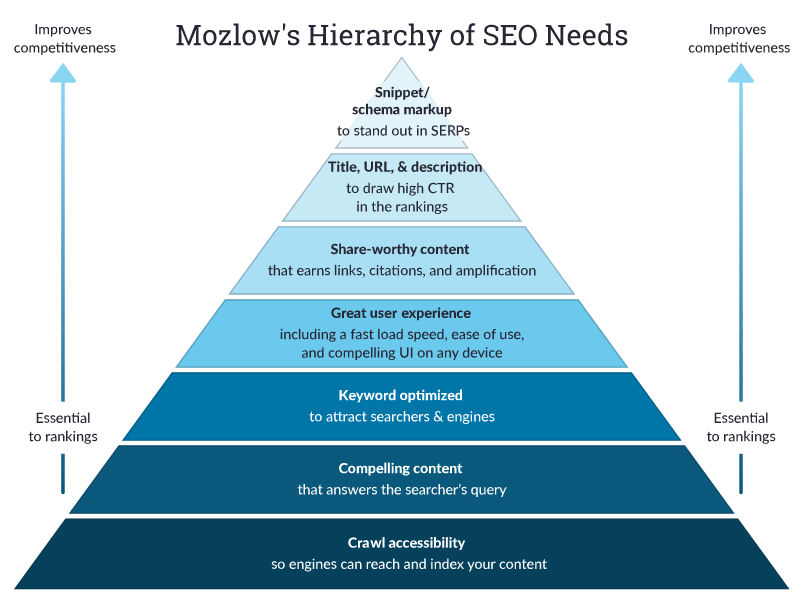

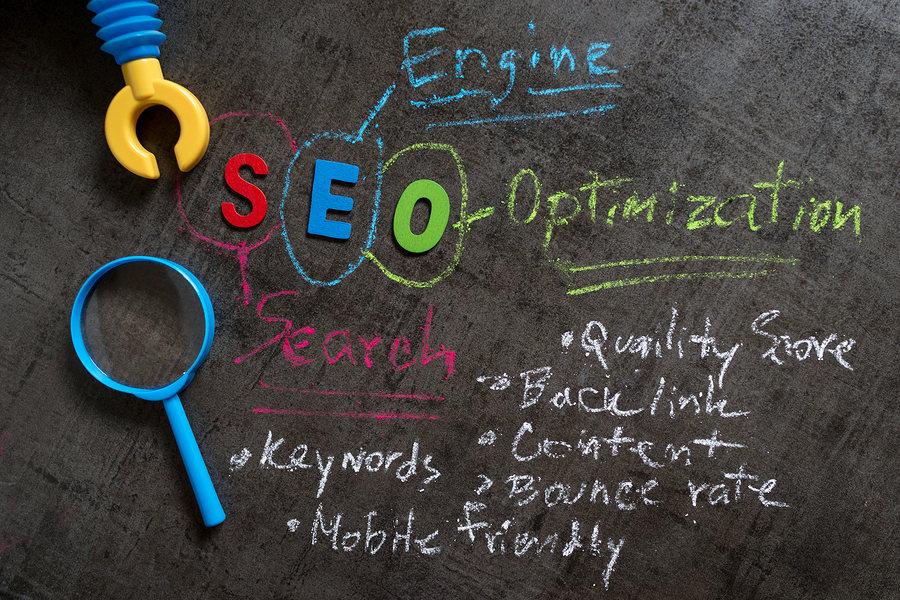

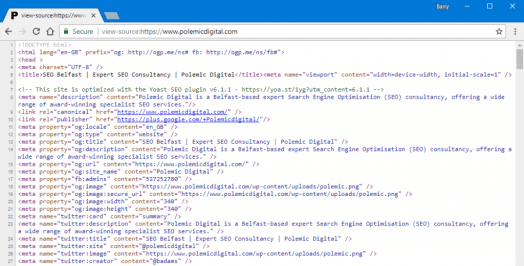
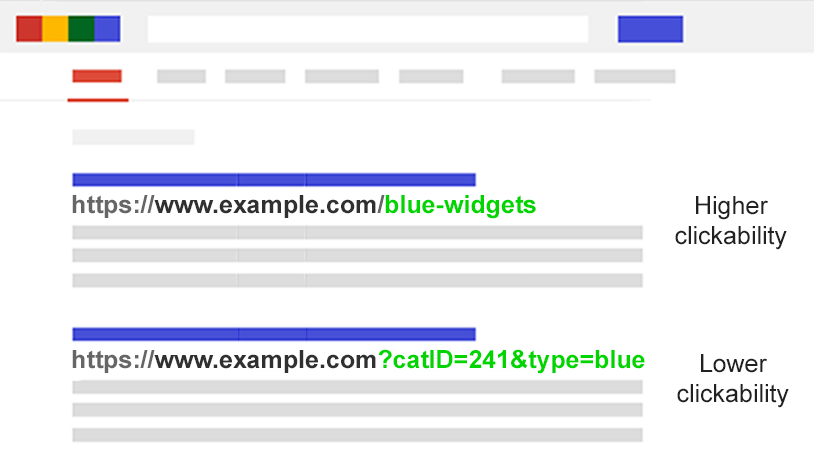





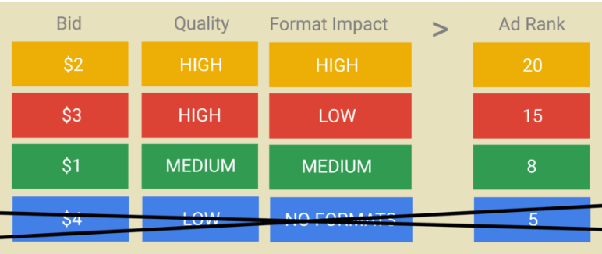
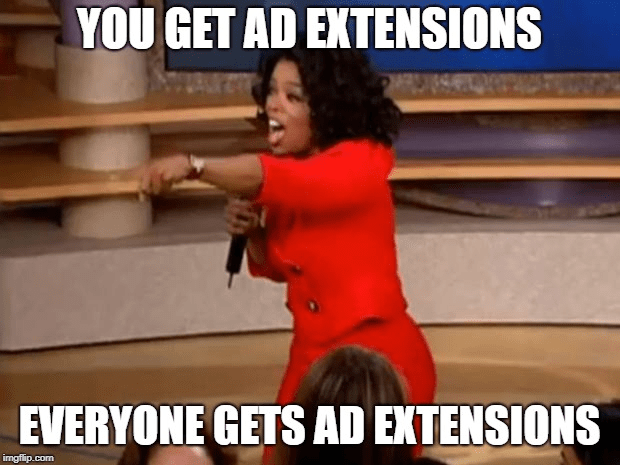


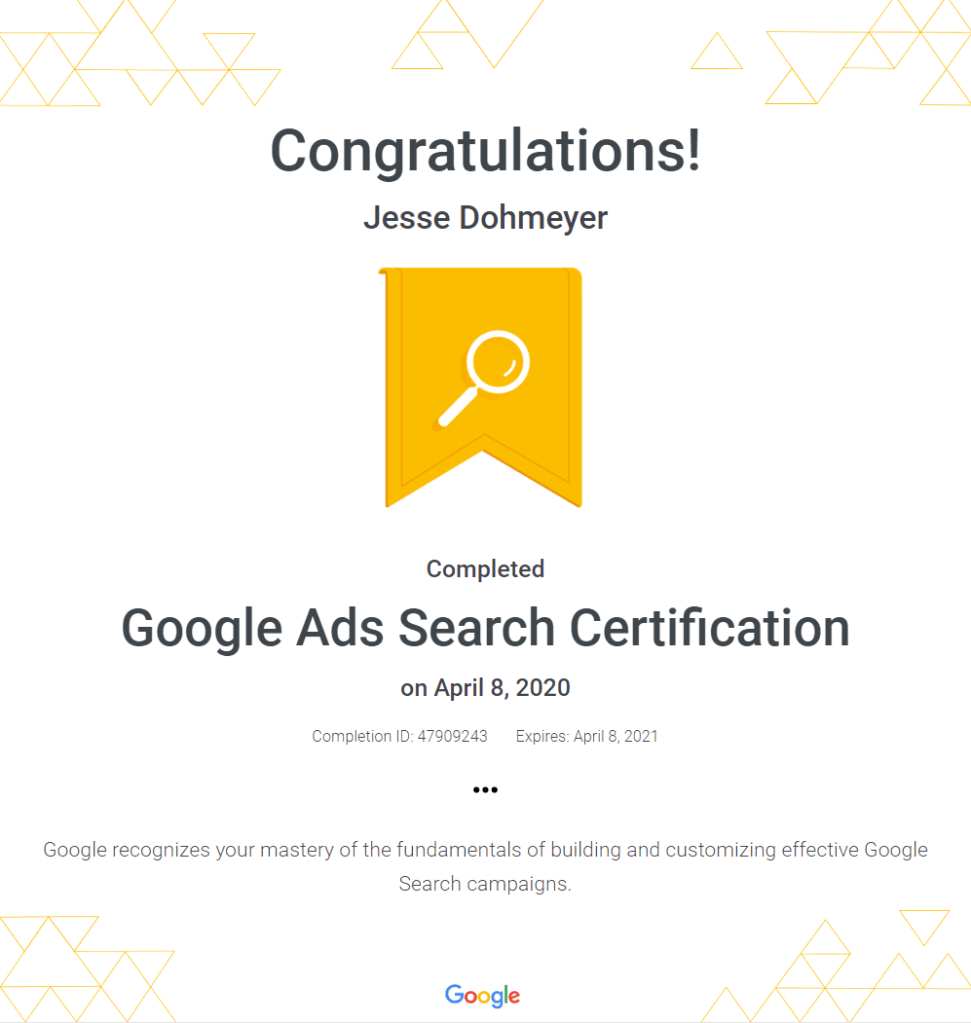
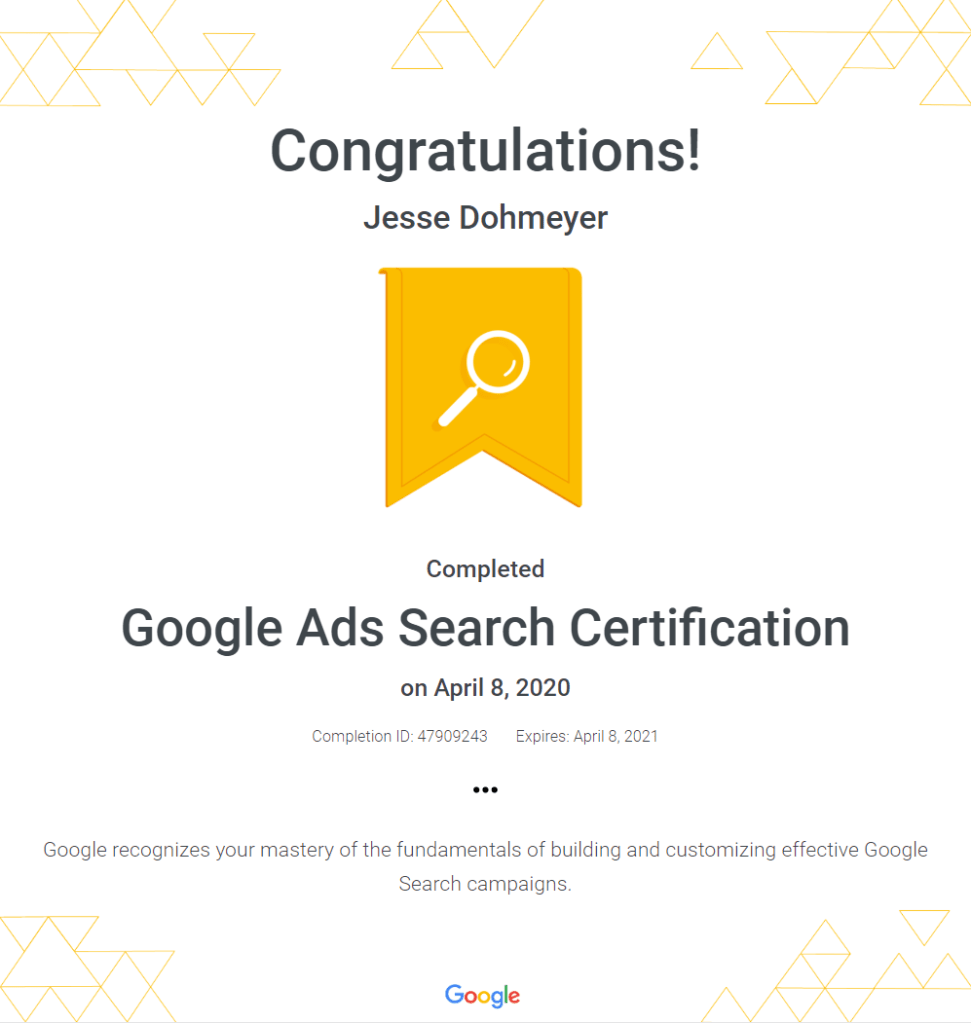
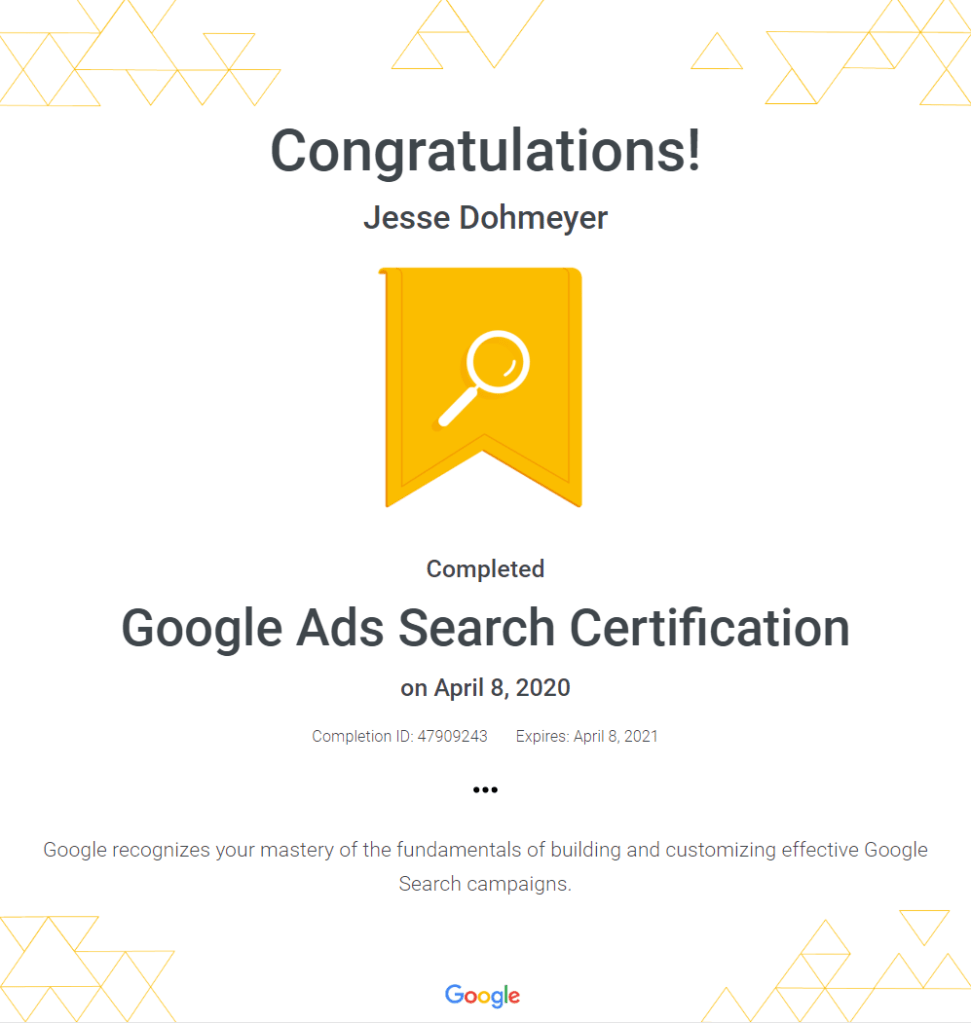
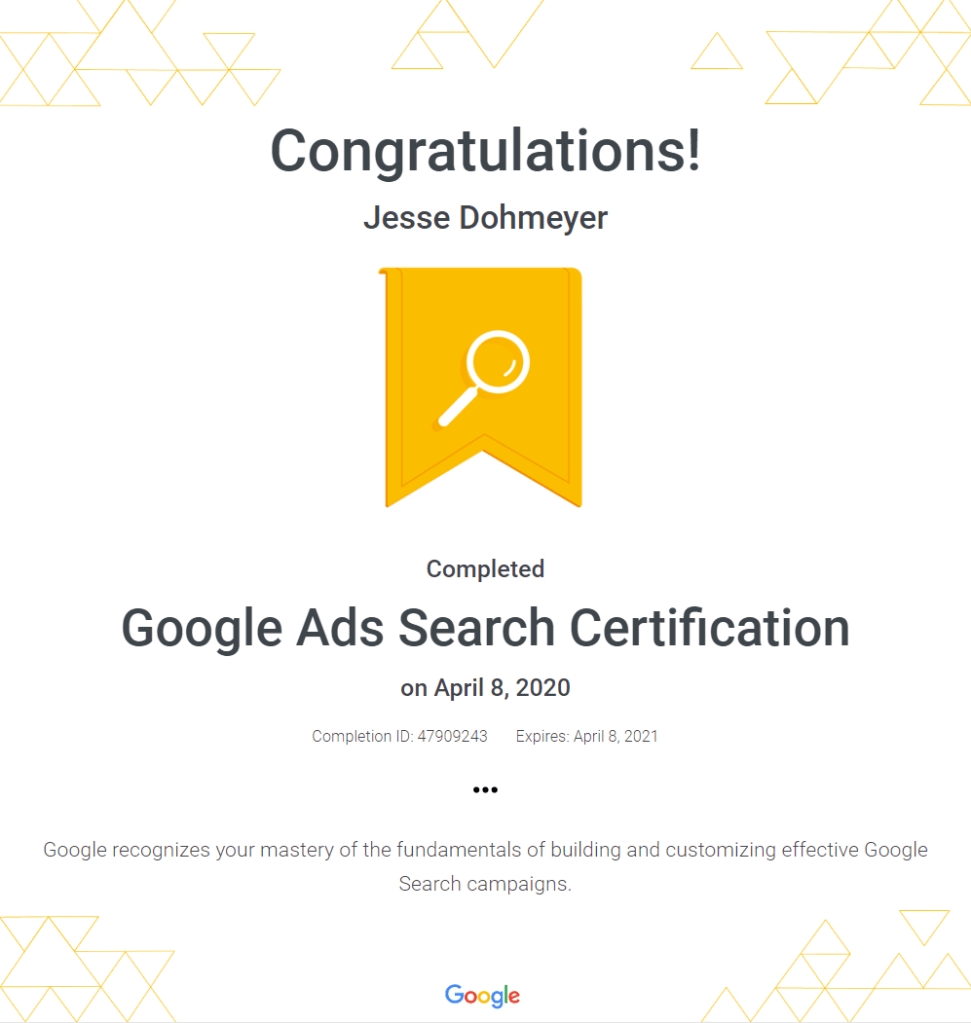










 JDigitalized