
Facebook Advertising Overview
Creating an ad is an exhausting process. You are creating a piece of material that inherently has to be perfect for the audience you are trying to pursue. Perfecting this process will come with time and experience. The Facebook Overview on LinkedIn is there to guide you through steps to achieve this goal sooner rather than later. By following specific guidelines, you can become successful at creating a flawless ad which will attract consumers and promote healthy growth with your business. Within the first couple of minutes, Megan Adams, the voice-over and reader, introduces us to a key phrase that will help marketers identify their mistakes. “Not knowing why.” The idea behind this phrase is most marketers don’t realize or evaluate the situation they are in or product they are trying to promote. “It’s so much more than your budget, idea, tagline, and imagery” (Adams, M. 2019). If you want to be successful when advertising you need to make an ad that makes sense while also creating an overarching goal with your product, from there you can narrow down your target audience, define the purpose, and figure out how to manage your expenses. Ads are powerful tools used by companies and entrepreneurs, which often create a call to action. Each ad will have a clear call to action, and if done correctly, will drive people to the landing page, which should eventually make you start thinking, am I sending people to the correct area, and if not, what is the purpose for my ad? If you have successfully created your call to action, figured out all your weaknesses, have done a bit of research, and now know the exact reason for running your ad, you can start to generate awareness and gain interest in your product or service. People need to start knowing more about you and your product before they will ever think about purchasing it. If you have genuinely narrowed down your audience, you can even get more specific with using relevant information to the users seeing the ads. Doing simple steps, such as using a target location, particular demographics, hobbies, behaviors, and purchase habits, can influence the people you want connecting with your product or service to purchase. You want an ideal customer. By individually targeting a customer, you can generate buzz and start to create impressions and receive feedback, which can help you see the performance, and ad fatigue if you have any.
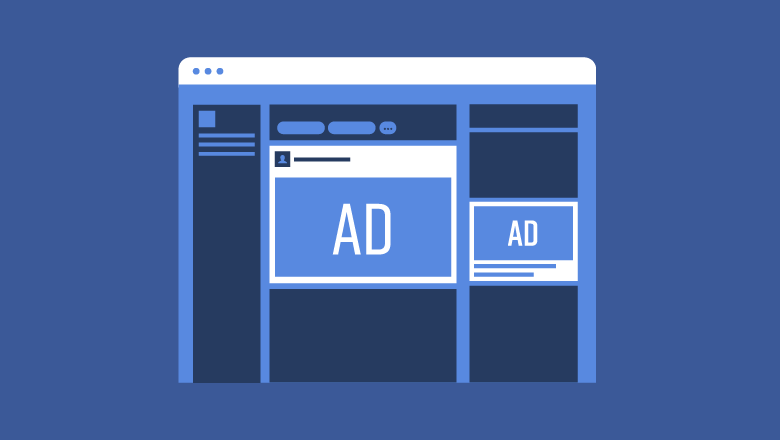
How Facebook Ads Work
When creating a Facebook ad, you have a variety of options which can be changed depending on your current objective, and how you are trying to promote your ad. You will want to target users based on their age, location, gender, interests, education, workplace and more. With each of these options narrowed down, you can create an ad that is targeted directly to the audience specific to your product. Before you create an ad, you must create an account and attach some type of payment. From there, you can customize your ad freely, with a wide array of options to choose from. You will want to create an ad campaign for the objective you have. Do you want a different ad for current customers and one also for people who live in a different location? Each of these is viable options when creating an optimized target ad. Using the powerful tools on the Facebook website, you can choose any objective for any ad set, creating a unique experience for each individual who sees your ad. Using the ads create tool will help you create ads based explicitly on your objective. You will always want to think about what your goal is and how you will choose it, are you looking for more brand awareness or traffic? When you start thinking about what you want people to do once they have seen your ad, you will begin to build a better campaign.
How to Create Facebook Ads
Once your objective is clear, your next goal is to define your target audience. You will want people who are interested in your product or service and will not only be wanting to purchase it but needing to purchase it. Choosing an audience is just as important as choosing the right ad. If neither is correct, you will not make any money. “You want to increase a likelihood that people will not only interact with your ad, but they will perform the intended objective” (Adams, M. 2019). You have the potential to reach any customer type you want to interact with. The options given are very intuitive and have plenty of select targeting to get the most out of your ad. You can personalize your ad in a plethora of ways, when the audience does react to your ad, they know what to do and how to receive your product while also being the intended target market. You may also target users based on interest targeting or behavioral targeting. Interest targeting is when Facebook users get shown products based on their apps, liked pages, posts and more. This may help when trying to reach out to a broader audience. Behavioral targeting is a technique used that will collect information about a user to display ads relevant to their search history. Both are excellent choices; it always will come down to how you want your ad to be displayed. Before you are ready to finalize your ad, you must follow the steps listed to show the best promise for your ad. Identify your audience, refine your audience to a specific group, choose a budget, manage your ad placement, and where you want it to be seen and finally choose your ad creative; which is essentially the last step in creating your ad.
View Your Advertising Data
Viewing the data, you receive from your ads is a crucial part of making your product a success. In the ad dashboard, you can inspect any element or section of your ad to follow your advertisement. This will allow ease of access to keep up with the status and the changes needed for the ad. In the overview, you can manage your ad where you are able to see all the specifics. You can tell how much you are paying for viewers, the time of day people often react to your ad, the age and gender more influenced to purchase your product, billing summary and more. If you want to understand fully how your ad is performing, creating an advertising report is necessary. The report will allow you to receive data where you can see if you are attaining your goals and where to improve the ad if needed. Understanding why and how to fix the problem is the key to success. If you can adequately dictate where you want your ad to go, and what changes need to be done, you will see more healthy growth. “With so many different types of goals and objectives, it’s really important to understand your success metrics. When we look at a report, we are often doing so with the mindset of optimization” (Adams, M. 2019). Viewing your data is vital as it will allow you to fully understand the metrics of your ad and allow you to create more beneficial ads for your product.
Implement Best Practices
Having a clear call to action will help the performance and creativity of your ad. Create an ad for the audience you want. Often you may not be aware of your ad is getting across properly to the targeted market, but you can do simple techniques to stead ahead of the curve. Running multiple versions of your ad, or changing some different areas are good examples to have a more evident call to action with the correct audience responding to your product. Imagery is an important thing to get right, as some may view and image entirely different than how you would test multiple images on audiences to see which one responds better, you can also try a different image for each particular audience you want to target. Continuously refine and evaluate your ad to see if there is anything you can improve on. This will overall improve your report data, and have you keep up with current trends while identifying what weaknesses or strengths you had previously.
Conclusion
To implement Facebook ads properly, you need to follow a certain amount of instructions; that way, you will be able to perform each decision you do with confidence. Start by having an idea, some imagery and a tagline, from there; you can figure out a budget with a clear call to action. If you can depict what you need to do, you can quickly gain the right audience for each targeted market you have chosen. I would personally implement the techniques of doing test trials on different users, as I know my opinion differs from many others and I may be biased towards my ad. Showing multiple images, and taglines to the same audiences may help me pick a clear winner which might end up doing better overall than my interpretation of what I think is better.
References
Adams, M. (2019, Oct 2). Advertising on Facebook. Retrieved from LinkedIn. https://www.linkedin.com/learning/advertising-on-facebook-2/facebook-is-an-advertiser-s-dream?u=2109516
 JDigitalized